
Blog
Dental hygiene tips for healthy teeth & gums
6 Most Common Types of Dental Fillings Explained
When dental repair is involved, even the label on the invoice can matter. That is why knowing the types of dental fillings helps. The material chosen changes how the tooth looks, how it wears, and how much the care costs. This guide walks through six common choices, explains “what are the types of dental fillings”, and gives clear reasons a dentist might pick one over another. The goal is not to scare. It is to make the next dental visit feel sensible and practical.
Amalgam Fillings And How They Hold Up
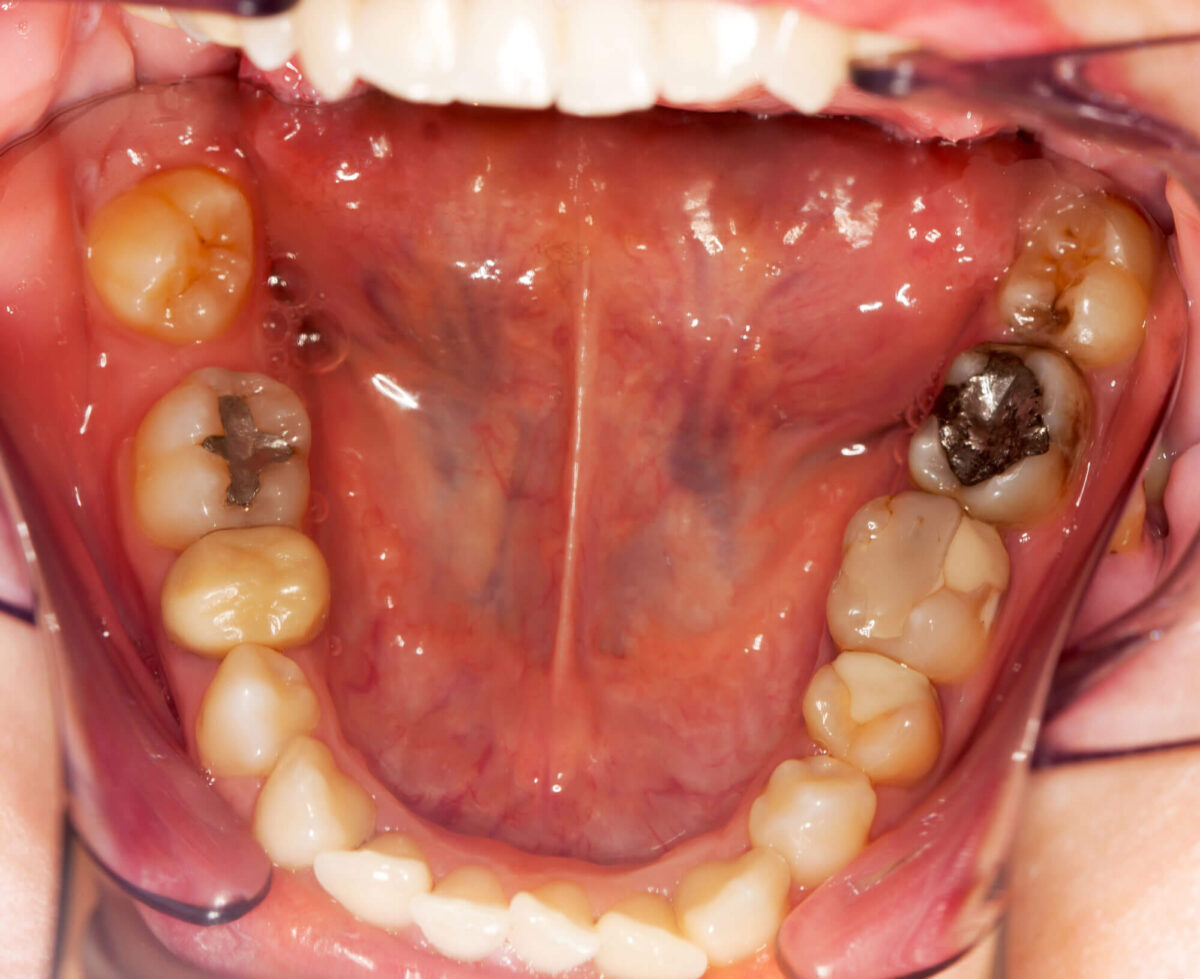
Amalgam is an older type of dental filling that has been around for many years. It is a metal mix that stands up well to chewing. For back teeth that grind and crush food, amalgam handles pressure with little fuss. It is usually less costly and can last many years with simple care. The downside is colour. Amalgam does not match tooth enamel. For a smile that shows when talking, another type of dental filling might be preferred. Still, when durability is the priority, amalgam often fits.
Composite: Tooth-Colored And Versatile
Composite resin fillings are popular. The colour matches the tooth closely. The material bonds to enamel rather than relying only on shape. That often allows more of the original tooth to remain, helping with strength and a natural look. Composites are often chosen for front teeth where appearance matters. They cost more than amalgam in many places and can wear faster on heavy chewing surfaces. For small to medium cavities and for visible teeth, composite is a common answer among types of dental fillings explained to patients.
Glass Ionomer For Lighter Restorations
Glass ionomer is usually mentioned among types of dental fillings when the focus is on gentler care. It bonds directly to the tooth surface. Fluoride is released slowly over time, in small amounts. That steady presence can help the surrounding enamel, particularly in areas that are more likely to develop decay.
This material is often used for children, near the gumline, or in spots where the tooth doesn’t have much strength left. Because it isn’t as strong as other filling materials, it’s less common in heavy chewing areas. Its value shows up more in protection than in strength.
Porcelain Inlays And Onlays
Porcelain inlays and onlays are made in a lab to match the tooth carefully. Among types of dental fillings, they’re chosen when colour stability is important and a subtle look is preferred. This option is often considered for teeth that show when you smile. The lab craft costs more, and the process often takes more than one visit, but the result resists staining and matches enamel well. For a visible tooth or a repair that must look right and last, porcelain is a premium option in the group of types of dental fillings explained to patients.
Gold Inlays And Onlays: Premium Strength And Longevity
Gold fillings have been around forever and remain an option among types of dental fillings for durability. Gold does not rust, handles strong biting pressure, and can last for many years with care. It usually needs lab work and costs more. The bright metal colour makes it unpopular for front teeth, but in the back, where chewing force is higher, gold still earns real respect. So when strength matters most, dentists often suggest gold.
Temporary Fillings: Short-Term Protection While Planning Final Care
Temporary fillings are part of different types of dental fillings used when treatment needs to happen in stages. They’re placed to protect the tooth between visits and to limit exposure while plans are finalised. Because they’re softer, they come out more easily at the next visit. They aren’t made for long-term use.
If a root canal is coming up, a dentist may first place a temporary type of dental filling to stabilise the tooth. It works as a protective layer while you wait for the final restoration.
How The Choices Compare — Durability, Look, And Cost
Comparing types of dental fillings usually starts with a few practical thoughts rather than a single rule. Some of the first are: Which tooth is being repaired? How much chewing force does that area handle day to day? Is the appearance important? How long should the fix last? Metal and gold options often win on strength. Composite and porcelain win on colour. Glass ionomer and temporary fillings have specific roles for children and short-term needs. Asking about expected lifespan and a realistic local price makes the choice less mysterious.
Which Filling Fits Each Tooth, And Why That Matters
Back teeth do most of the heavy chewing, and that changes what tends to work well there. Those areas usually push the choice toward stronger materials, such as amalgam, gold, or carefully made porcelain. Front teeth have a different role. They show every time you smile or talk, so natural-looking materials like composite or porcelain tend to be preferred.
Smaller pits and limited damage can suit materials like glass ionomer or composite without much trouble. When decay covers more than one surface of a tooth, a simple filling does not always do the job. That is when options like inlays, onlays, or crowns can come into the picture. Materials that match the function of the tooth usually wear more evenly and tend to last longer.
How The Dentist Prepares The Tooth For Any Filling
The dentist removes decay and shapes what remains so the chosen material seals well. For lab-made options, a temporary cover may be used while the custom piece is made. For direct fillings, the material is placed in layers and cured. The fit and the bite check matter. A careful prep and a precise fit are often more important than the filling name itself.
Care After A Filling And Small Habits That Extend Its Life
A new filling may feel odd for a few days. Eating carefully and avoiding hard or sticky items at first helps. Daily cleanings reduce wear and stop new decay. With regular dental visits, little chips can be spotted early. That way, fixes stay small. If grinding is a habit, a night guard protects any filling. These small habits add years to the life of the repair, no matter which of the types of dental fillings was chosen.
Common Patient Questions
People often ask whether fillings hurt, how long they last, and whether insurance helps. Modern fillings are placed with local numbing so the procedure is rarely painful. Sensitivity may be present for a short time. In many cases, it lessens gradually over the next few days. Insurance rules vary from one plan to another. That difference alone can make things feel unclear. Checking before treatment helps avoid surprises. A short call to the office usually answers questions about coverage for the types of dental fillings being considered.
Final Thought
Picking between types of dental fillings really comes down to what that tooth actually does every day. Some teeth need more strength, and some need better looks. Moreover, the budget always plays a part. A smart next move is asking your dentist to compare options in writing for that specific tooth and explain timing if lab work is needed. A short visit can clear things up and help your filling stay strong for years.

