Blog
Dental hygiene tips for healthy teeth & gums
Cost of Full Mouth Dental Implants: Complete Price Guide
When someone loses most or all of their teeth, daily life can shift in ways they didn’t fully see coming. Eating can become difficult. Speech might not feel as natural. Smiling in photos or talking in groups can start to feel different. That’s typically when the search for a long-term answer begins, and the question about the cost of full mouth dental implants comes up.
There isn’t one simple number because this type of treatment isn’t one single, standard procedure. This kind of treatment is very personal. It’s planned based on your mouth, how much bone support you have, and your medical background. As implant technology has advanced, interest in full-arch solutions has grown. Implant organizations report that more people have chosen these treatments over the past decade as they’ve become more reliable and easier to access. [Source]
How Do Full Dental Implants Actually Work?
When most or all teeth need to be replaced, full dental implants can be one way to do it. This can apply to the upper jaw, the lower jaw, or both. Rather than placing an implant for every missing tooth, dentists usually use a smaller number to support a full row of fixed teeth. This is often described as a full-arch bridge.
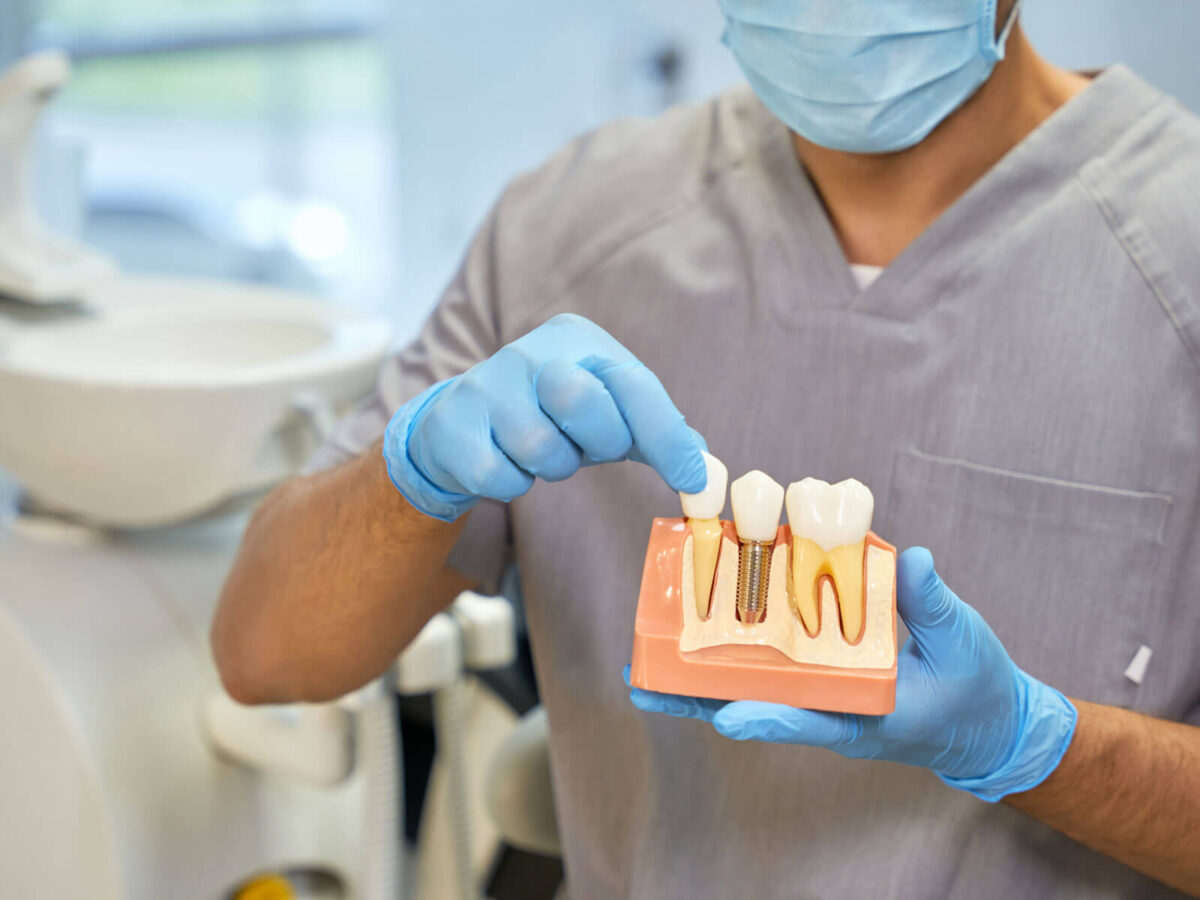
The implants work like artificial roots. They’re placed into the jawbone and left there to heal. As healing happens, the bone grows around them and helps keep them steady. Once everything is stable, a custom set of teeth is attached on top. Many people say it feels more secure and natural than dentures that tend to move around.
When planning is solid and aftercare is consistent, these treatments usually hold up for years. Research has followed patients over time. It shows implant-supported full-arch teeth succeed in more than 90 percent of cases. [Source]
What Can Change the Cost of Full Mouth Dental Implants?
The cost of full mouth dental implants doesn’t look the same everywhere. That surprises many people. Most assume it would be more straightforward.
But this kind of treatment is never generic. Every mouth has its own story. Bone levels and gum health vary. Medical history matters. So the treatment plan changes from person to person.
Bone condition is one of the first things checked. If the jawbone has reduced, bone grafting may be needed first. That adds more time. It adds more cost, too. Scans and planning steps also factor in. Temporary teeth during healing are part of it as well.
The background of the dental team matters. Implant-centered clinics often use detailed 3D scans and guided surgery equipment. These help with accuracy. They do increase the starting price. Still, they’re meant to support better long-term results.
What Makes Up the Price of Full-Mouth Dental Implants?
A full mouth dental implants cost estimate usually includes more than people first assume. It’s not just the implants. The total often covers consultation visits, digital scans, surgery, temporary teeth, and the final fixed bridge.
Temporary teeth play a big role. They let you leave the office with a smile while everything heals underneath. Later on, the final teeth are made with strength and comfort in mind, along with how they look. The material used for that final bridge can change the price too. Options like acrylic, zirconia, or porcelain don’t cost the same.
Implant dentistry associations note that full-arch implant treatment in the United States often falls somewhere in the mid-five figures or higher. What someone ends up paying often depends on the materials involved and how complex the situation is. Treatment costs may also differ across countries based on location and clinic practices.
How Does The Full Fixed Arch Implant Cost Compare To Other Options?
The full fixed arch implant cost is usually higher than dentures at the beginning. Dentures just sit on the gums. There’s no surgery involved, so the upfront price is lower. But dentures often need ongoing adjustments. The shape of the mouth changes over time. Bone loss can continue too.
Fixed implant arches behave differently. The implants connect with the jawbone and help stimulate it when you chew. That can slow the bone shrinkage that normally happens after tooth loss. A lot of patient reports suggest that fixed implant teeth tend to feel more comfortable than traditional dentures. [Source]
Once they’ve had them for a while, some people say the stability and lower maintenance make implants worthwhile.
What Other Things Can Affect the Overall Cost?
Health history can influence the whole plan. Problems like uncontrolled diabetes may slow down healing. Gum health and heavy smoking also have a huge impact. If there’s gum disease, it must be treated before moving forward with implants.
Where you have treatment done can change the cost. Larger cities and specialist clinics usually charge more than smaller local practices. But price by itself shouldn’t be the only thing you look at. The experience of the provider and the quality of materials used are important to think about.
Technology also makes a difference. In some practices, 3D imaging and guided planning tools are used to plan treatment step by step. This type of planning adds to the overall fee. It can also help with precision and long-term stability.
Is Financing Available For Full Dental Implants?
The cost of full mouth dental implants can feel like a big amount upfront. That’s why many dental offices set up payment plans. The cost gets split into smaller payments. Some clinics also work with outside financing companies to give patients more room to plan.
Insurance coverage depends on the policy. Certain parts of treatment, such as scans or extractions, may be covered. Implants themselves are often only partially covered, and sometimes not covered at all.
A written treatment plan is worth asking for. This helps outline what’s covered, what might not be needed, and how the payment process works. Knowing these details early tends to make everything easier afterwards.
Questions People Often Ask
A lot of people ask if implants last forever. The truth is, nothing in dentistry lasts a lifetime without care. Even so, implants can last many years when you keep up with daily cleaning and checkups. Long-term studies show good survival rates when patients take care of their mouths.
A lot of people go in worried about pain. Later, many say it turned out to be easier to handle than they expected. You’re numbed up well before the procedure begins. Sedation can be added if needed. Some mild swelling or tenderness afterwards is normal. It doesn’t usually last long.
Recovery time comes up often, too. The bone takes a few months to heal fully around the implants. Temporary teeth are usually placed much sooner, so you don’t have to go without teeth while healing happens.
Age is also a frequent question. There isn’t a strict upper age limit. Overall health and bone support matter more than age by itself when deciding if someone can have implants.
Conclusion
Understanding the cost of full mouth dental implants ahead of time helps you prepare in a practical way. That number reflects more than just materials. It includes careful planning, the surgical work, temporary teeth while healing happens, and a long-term solution designed to bring back comfort and confidence. Going over a full fixed arch implant cost or different options for full dental implants can feel confusing at first. A one-on-one consultation is often where it starts to make more sense.
Once you’re ready to think about full-mouth implants, book time with a dentist who has strong implant experience. A full evaluation is done first. Then you get a written plan. The plan outlines your options, the schedule, and the costs. Having it written down makes moving forward feel more certain.