Blog
Dental hygiene tips for healthy teeth & gums
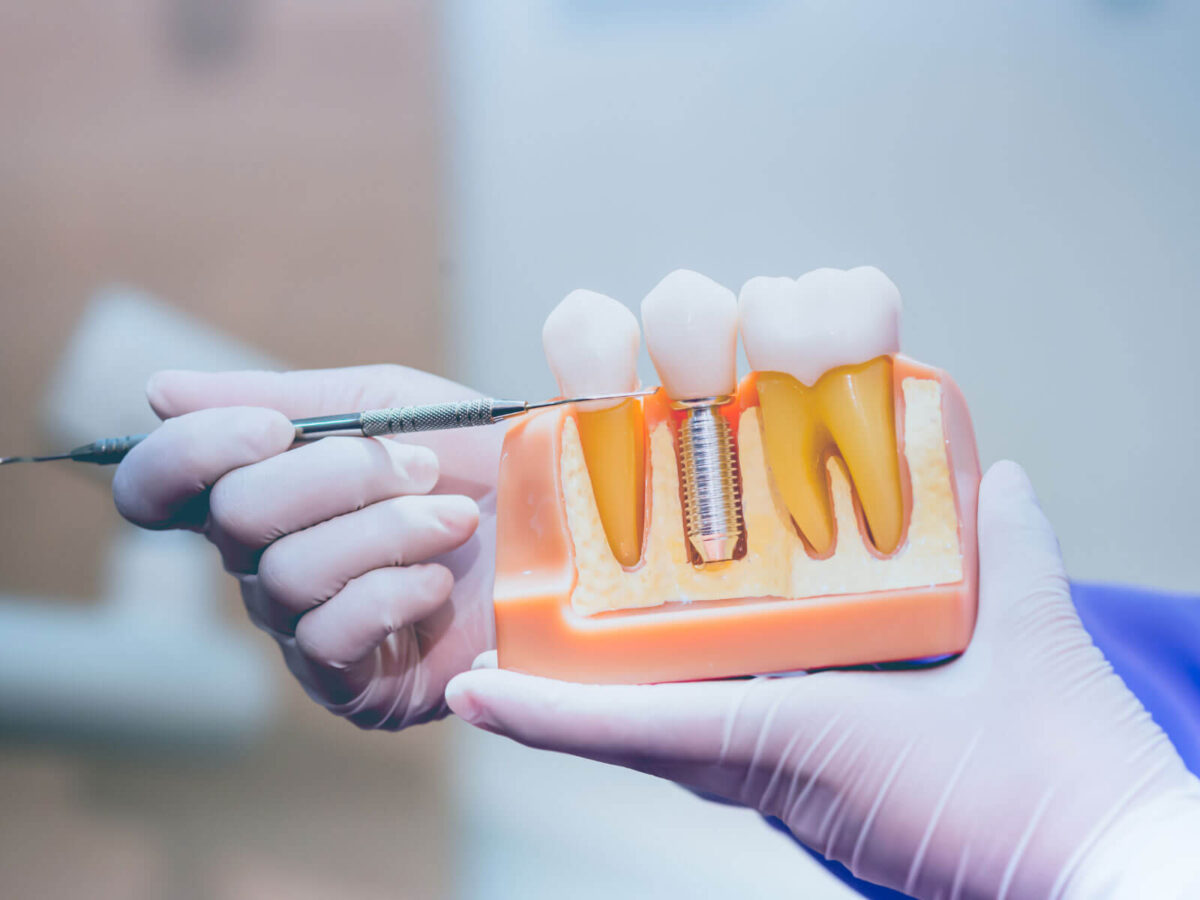
How Screwless Dental Implants Work: Complete Guide
Why People Notice the Word “Screwless” First
Talk about dental implants often starts along familiar lines. Someone loses a tooth. Replacement options come up. The word implant appears, usually followed by explanations involving titanium posts and tiny screws. Then another term enters the discussion: screwless dental implants.
The reaction is almost immediate curiosity. If implants normally involve screws, how can one work without them? Does removing the screw make treatment simpler? Or is it just a newer name for something familiar?
The interest usually comes from wanting something that sounds less mechanical. Patients often imagine fewer parts meaning fewer problems. Understanding what actually changes requires slowing the conversation down a little.
Why Dental Implants Need Screws to Begin With
Traditional implant systems were designed for reliability. A screw connection allowed dentists to secure the replacement tooth firmly while still being able to remove it later if adjustments were needed. For many years, this approach worked extremely well.
But dentistry evolves through small refinements rather than sudden replacements. Over time, clinicians noticed that screws occasionally required tightening or created access openings that affected the appearance in visible areas. These weren’t major failures. They were small inconveniences.
That curiosity about improvement eventually led to designs now described as screwless dental implants.
What Are Screwless Dental Implants Really Referring To?
When patients ask, “What are screwless dental implants?”, the answer often surprises them.
The implant itself still sits inside the jawbone just like a traditional one. Bone healing occurs the same way. The body doesn’t recognize whether a screw will later be used or not. The difference appears only after healing.
Instead of fastening the final tooth using a screw, the crown connects through carefully engineered friction or bonding systems. Components fit together so precisely that stability comes from shape and pressure rather than fastening. Nothing is floating or loose. The connection simply works differently. In many ways, the change is invisible to the patient.
Why the Idea Sounds Simpler Than the Engineering Behind It
At first glance, the word “screwless” sounds straightforward, almost minimal. Some patients believe removing screws reduces technical complexity. With screwless dental implants, good results usually rely on thoughtful design and proper placement. Details such as angulation and internal stability help support lasting success.
Even slight variations during manufacturing or placement can influence long-term stability. The implant connection must tolerate constant biting forces without shifting or creating movement over time. So while patients may notice fewer external components, the hidden design tends to be more advanced and carefully developed.
New dental technology is often expected to make everything easier. Dentists usually approach it differently, seeing newer designs as another option instead of a replacement. Both traditional and screwless implant methods are made to save a tooth that feels secure in everyday use.
When Recovery Ends, How Do Screwless Dental Implants Work Inside the Mouth?
Following placement, the bone gradually grows to adjust the implanted post as it heals. In general, this stage is the same for all implant systems. The restoration process starts a few months later.
The distinction often becomes noticeable at this point in treatment. Rather than tightening a screw through the crown, the dentist connects the restoration through a locking or cemented interface created to remain secure during normal chewing forces.
When patients ask, “How do screwless dental implants work?”, the simplest explanation is that stability comes from a precision fit rather than fastening hardware. From the outside, chewing and speaking feel no different. Most patients cannot tell which system they received once treatment finishes.
Why Some Patients Prefer This Approach
Interest in screwless systems often relates to appearance. Traditional screw-retained crowns sometimes require small access openings that must be filled afterwards. While usually subtle, these areas can matter in front teeth. Removing that feature allows uninterrupted crown surfaces.
Comfort perception also plays a role. Some patients feel reassured knowing fewer mechanical components exist, even though function remains similar. Patient expectations often shape satisfaction more than design.
What Screwless Dental Implants Reviews Commonly Mention
Reading screwless dental implants reviews often shows repeating experiences. Patients commonly mention that the restored tooth feels stable and natural after healing. Many also value the appearance, particularly when replacing teeth that are visible while smiling.
At the same time, reviews rarely describe dramatic functional differences compared with traditional implants. That observation is important.
Both systems succeed because the biological foundation remains the same. The jawbone supports the implant regardless of how the crown attaches. Experiences tend to reflect treatment quality rather than attachment method alone.
Why Maintenance Still Looks Familiar
Hearing about screwless dental implants sometimes makes people think upkeep becomes minimal afterwards. The truth is quieter than that. Good daily cleaning continues to matter. Implants need attention over time, and healthy gums help everything feel comfortable. Regular dental visits simply allow dentists to look at bone and tissue conditions.
Even with better implant technology, plaque can still build up over time. Bacteria do not really treat implants any differently than natural teeth. Many long-term results depend less on the implant design and more on consistency at home. Simple habits repeated daily usually protect the outcome better than anything else.
When Dentists May Still Choose Screws
There are situations where screw-retained implants remain helpful. A screw connection makes access easier without upsetting nearby structures if future removal or adjustment appears likely.
Treatment planning considers bite forces, implant position, and anticipated maintenance needs. Rather than replacing older systems, screwless dental implants expand available options. Dentistry rarely moves toward one universal solution.
Why Implant Design Keeps Changing
Dental implant development tends to move forward quietly. Rather than sudden changes, manufacturers often adjust existing designs to reduce complications and improve restoration outcomes over time. Most of the improvements come about gradually rather than as obvious or dramatic breakthroughs.
The American Academy of Implant Dentistry notes that implants continue to show strong long-term success when planning and maintenance remain consistent. Much of the progress today comes from refinement. Patients often experience these updates as small improvements instead of completely new treatment approaches.
What Patients Usually Notice Most
Interestingly, patients rarely focus on attachment style after treatment. They notice whether chewing feels balanced. Whether speech feels natural. Whether confidence returns while smiling. After recovery is complete, daily comfort takes precedence over mechanics.
Whether screw-retained or screwless, the goal remains restoring normal function without constant awareness of the replacement tooth. Success often feels ordinary — which is exactly the intention.
FAQs
Are screwless dental implants a new technology?
They represent newer attachment designs rather than entirely new implants.
How do screwless dental implants work without screws?
They rely on precision-fit or bonded connections instead of fastening hardware.
Are screwless dental implants reviews positive?
Patients are usually satisfied, particularly with the overall appearance.
Do screwless implants last as long as traditional ones?
Longevity depends more on care and planning than attachment type.
Conclusion
Understanding screwless dental implants becomes easier once the focus shifts away from terminology and toward function. The implant still integrates with bone in the same biological way as traditional systems.
When patients look into “what are screwless dental implants” and “how do screwless dental implants work”, they often find that innovation lies in design refinement rather than treatment changes.
Differences usually come down to aesthetics and restorative preference more than function. Reviewing screwless dental implants reviews along with dental guidance helps form realistic expectations. Speaking directly with your dentist can help determine whether this approach fits your needs and daily comfort.