Blog
Dental hygiene tips for healthy teeth & gums
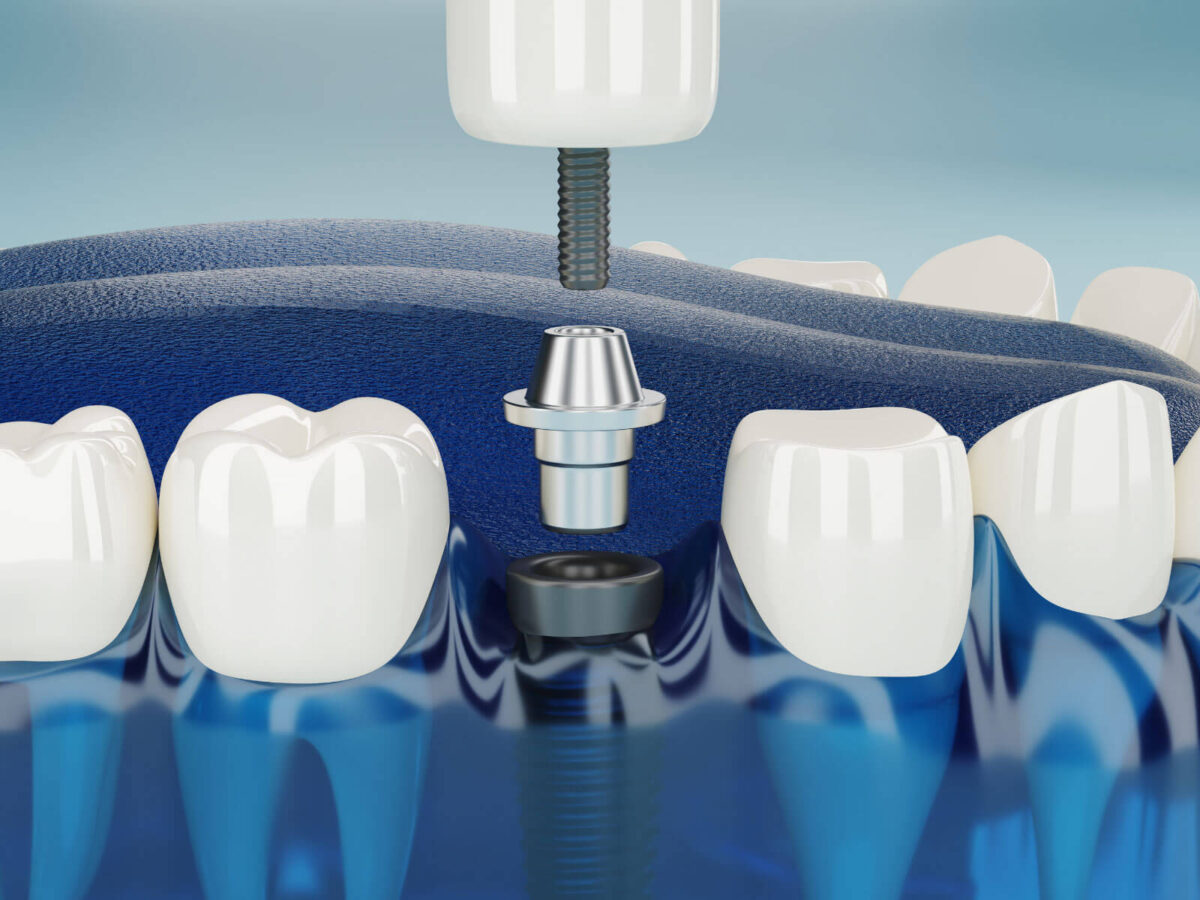
Different Types of Dental Implants: 6 Options Explained
A lot of people think it’s just a screw placed in the jaw that holds a crown. It sounds straightforward, but modern treatment isn’t always that simple. There are different types of dental implants, and that variety exists for a reason.
Bone structure isn’t the same from one person to the next. Healing patterns differ. Some people have strong bone support. Others don’t. So the approach changes. Two patients missing the same tooth might not receive the same recommendation, and that doesn’t mean one is wrong. It just means their anatomy isn’t identical.
Why Implant Designs Vary
The short answer is that mouths aren’t identical. Some patients have thick, dense jawbones. Others have lost bone over time due to gum disease or years without a tooth. Some are replacing one tooth. Others are rebuilding an entire smile.
That’s why different types of dental implants exist in the first place. Dentists are looking for lasting support, not just a quick way to close a space.
Implants today aren’t what they were decades ago. The field has changed a lot. The American Academy of Implant Dentistry estimates that over 3 million people in the U.S. have them, and about half a million more are placed each year. As demand increased, so did innovation.
Endosteal Implants: The Standard Choice
Endosteal implants are often mentioned first when people talk about the most common types of teeth implants. They’re inserted into the jawbone and later support a crown, bridge, or denture once the area has healed.
They’re usually made of titanium, which gradually connects with the surrounding bone. According to data published through the National Institutes of Health, outcomes over ten years are generally strong when maintenance is consistent.
For someone with sufficient bone support, this is typically one of the leading dental implant options.
Subperiosteal Implants: When Bone Is Limited
Not everyone has enough jawbone for a traditional implant to anchor securely. In situations where bone height is limited and grafting doesn’t make sense, a subperiosteal implant may be used. Rather than being placed inside the bone, it sits on top of it beneath the gums, supported by a metal framework.
Compared to other types of dental implants, this approach is less common today because modern grafting methods have improved outcomes. Even so, it still serves a purpose for certain patients who can’t support a standard post. Plans aren’t fixed; they adjust to the person.
Zygomatic Implants: A Specialised Approach
In cases where the upper jaw has lost a lot of bone, standard implants may not hold well. That’s when zygomatic implants sometimes come into the picture.
Rather than anchoring into the jaw itself, they’re secured into the cheekbone. Because they’re longer and technically demanding, they’re not commonly placed and require experienced surgical hands. They’re usually reserved for more complex situations, especially when other options are limited.
Looking at the types of dental implants, zygomatic implants are a good example of how solutions have evolved for patients with challenging anatomy.
All-on-4 Implants: Replacing a Full Arch
If an entire arch needs replacing, doing one implant per tooth often doesn’t make sense. In cases like that, the All-on-4 option is often brought up. It uses four implants, positioned at angles, to hold an entire arch in place. That angulation can make better use of available bone and may reduce the need for grafting.
Over time, this method has become a common choice for patients missing most or all of their teeth in one jaw. Studies following patients long-term show that it holds up well when it’s planned and maintained properly. For the right candidate, it can offer a steady and efficient solution.
Mini Implants: Smaller, Targeted Support
Mini implants are thinner than standard ones. Dentists tend to use them when there isn’t much room to work with or when the goal is to keep dentures more stable.
Out of the different types of dental implants, mini implants may be chosen in cases where a smaller procedure and quicker recovery make sense. But they’re not suited for every spot in the mouth. Back teeth deal with heavier biting forces, and that matters. Whether a standard or mini implant is better depends on both the structure of your jaw and the job that the tooth needs to do.
Immediate Load Implants: Faster Results
Some patients qualify for immediate load implants, sometimes called “same-day” implants. In these cases, a temporary crown is placed shortly after the implant is inserted. Not everyone is a candidate. The implant must achieve strong initial stability. Bone quality plays a major role in determining whether this approach is safe.
Among modern types of teeth implants, immediate loading appeals to patients who prefer not to wait months for visible results. But even when the crown is placed quickly, healing beneath the surface still takes time.
How Do Dentists Choose Between Dental Implant Options?
Choosing between the types of dental implants isn’t just about what sounds best or looks appealing on paper. A dentist usually looks at several practical factors first. That includes bone density, often checked with 3D imaging, the condition of the gums, and a full medical history. Lifestyle habits matter too. Smoking, blood sugar control in patients with diabetes, and even how your teeth come together when you bite all play a role.
The final choice needs to make sense long-term. The goal is something that stays solid, feels right, and isn’t hard to maintain. One patient’s ideal choice can be completely different from another’s. A real conversation with your dentist usually tells you more than any comparison table.
Is an Implant the Right Move for You?
Many dentists turn to implants because they tend to hold up well over time. According to the American Academy of Implant Dentistry, patient satisfaction tends to be high, largely because implants feel secure and function like natural teeth.
That said, implants aren’t something you place and forget about. They still need proper care. They don’t just last on their own. Daily care and routine dental visits play a big role in keeping them stable.
FAQs
How many implant styles are there?
Dentists usually start with endosteal or subperiosteal. Other versions come into play depending on the case.
Is one type better than another?
It really comes down to your situation. Bone support and the extent of tooth loss matter most.
What do dentists use the most?
Endosteal implants are the standard in many cases. Full-arch systems are common for bigger restorations.
Are mini implants as durable?
They can work in the right case. But in areas that handle a lot of bite pressure, they’re not always the strongest choice.
Do implants really last long?
Yes. Many stay stable for 10 years or more.
Final Thoughts
The reason there are several types of dental implants is simple: patients aren’t identical. Bone support, medical background, and personal goals all play a role in what makes sense long-term. Treatment should reflect that.
Because there are different types of dental implants available today, treatment doesn’t have to follow a fixed formula. It can be shaped around what actually works for you. If you’re exploring dental implant options, don’t try to figure out the types of teeth implants on your own. Sit down with a dentist, talk it through, and decide based on your situation.