Blog
Dental hygiene tips for healthy teeth & gums
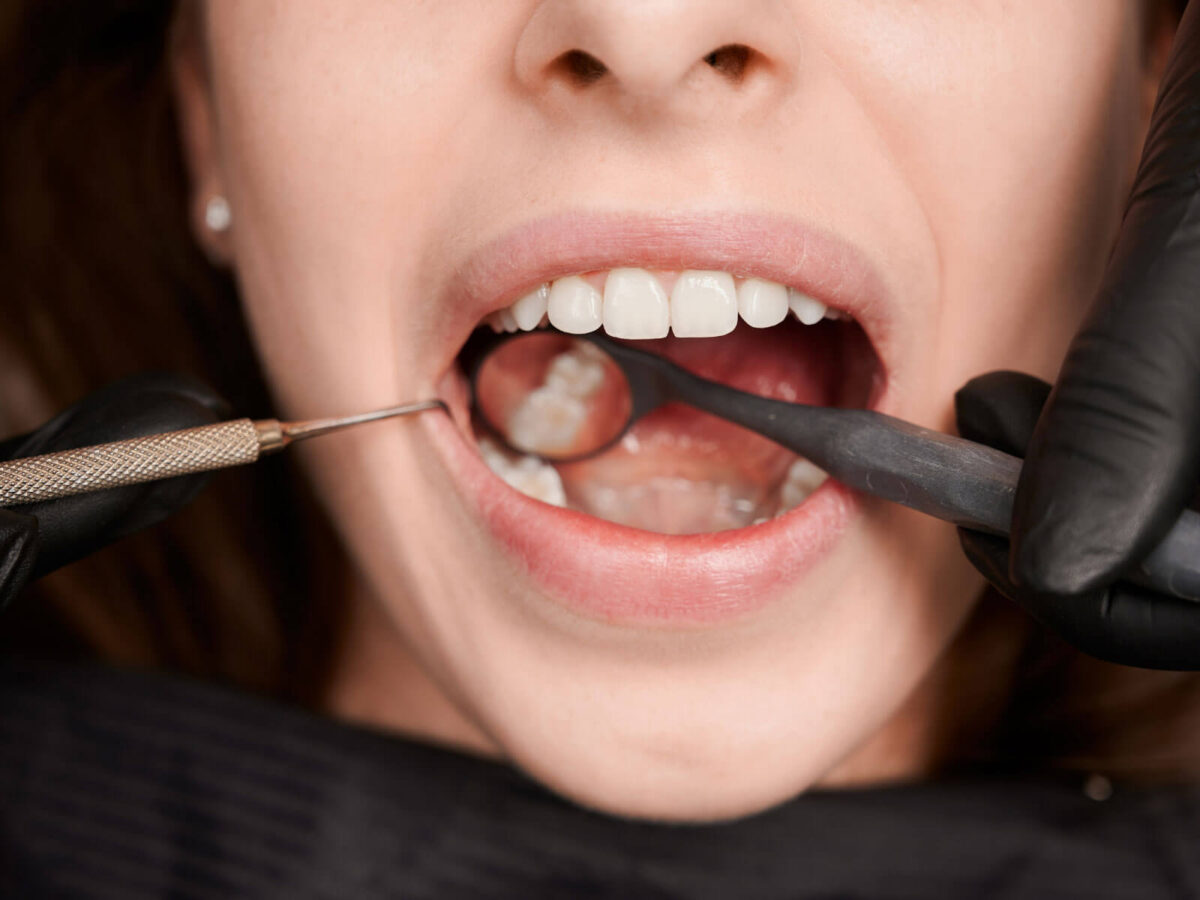
Dental Sealants for Kids: Are They Really Worth It?
My daughter’s dentist brought up dental sealants for kids during what I thought was just a regular checkup. She told me that my daughter had deep grooves in her molars and they needed to be sealed. The whole thing took maybe two minutes to explain. I signed the form and paid the copay on the way out.
That night I actually looked into what they’d put on her teeth. I had questions I didn’t think to ask at the appointment, like what exactly is in the resin, does it actually hold up, and is this something every kid genuinely needs, or does every practice just recommend it regardless.
Spoiler: it’s not an upsell. The research is actually pretty convincing.
TL;DR
- Dental sealant – a thin plastic coating that is put on the molars. It hardens right into the grooves where cavities usually start.
- Skip them, and the CDC says your kid is looking at nearly 3x more first molar cavities than kids who got them.
- No drilling, no needles, takes less time than a regular cleaning.
- Most insurance plans cover it at 80 to 100%, sometimes in full.
- If your child’s permanent molars are just coming in, the window to get this done is shorter than most parents realize.
What Are Dental Sealants for Kids, Anyway
The back molars have deep pits in the chewing surface. A toothbrush barely gets to the bottom of them. Bits of food get stuck in there, bacteria build up, and a cavity can be well underway before it shows up on any X-ray.
Dental sealants for kids are basically a liquid resin that gets brushed right onto those grooves. A blue LED light hardens it on the spot. No drilling, no numbing. My daughter spent more energy picking her polishing paste flavor than sitting through the actual procedure. Both molars were done in under 30 minutes.
On the drive home, my daughter kept running her tongue over the back teeth. Not complaining, just noticing. She asked me if her teeth were supposed to feel different. I told her probably not for long. By dinner she’d forgotten about it entirely.
Why Does the Age Six Thing Come Up So Often
Around age 6, the first permanent molars push through. These are not baby teeth. These are the ones staying for life. Most parents don’t even realize they’re coming in because they show up behind the existing teeth, not in place of them.
Dental sealants for kids need to go on before any decay starts. Once bacteria get into a groove, sealing over it doesn’t undo the damage already done. The window is right after the molar erupts, when the surface is still completely clean. The first set comes around 6-7. Followed by the second set that comes around 11-13.
The dentist put it simply when I asked her about it later: “The tooth is cleanest the day it comes in. Every day after that, the risk goes up a little.” Her dentist flagged it at exactly the right time. I didn’t think much of it during the appointment, but that timing is really what makes the whole thing worthwhile. A few weeks later, the opportunity could have looked very different.
What Does the Research Actually Show
According to the CDC, children aged 6 to 11 without sealants have almost three times as many first molar cavities as children with sealants. I expected the number to be meaningful. Three times more was not what I was expecting at all.
Dental sealants for kids block up to 80% of cavities in the first two years. By year four, you’re still looking at around 50% protection. My daughter was in and out faster than a standard cleaning. For numbers like that, it’s hard to say no.
What Are the Real Benefits of Dental Sealants for Kids
Cavity prevention is the obvious one, but the benefits of dental sealants for kids go a bit further than that.
Fewer fillings down the line. A cavity means drilling, and drilling on a seven-year-old is nobody’s idea of a good Tuesday. Anything that heads that off is worth considering.
The numbers work out too. Sealants run about $30 – $60 per tooth, while a composite filling typically costs $100 – $150 or more. If one sealant prevents one filling, you’ve already come out ahead on the cost.
Dental sealants for kids also fill in where brushing falls short. Kids around the age 6 -12 are handling their own oral cleanliness for the first time. It is safe to assume that most of them aren’t getting into the deep grooves. Sealants pick up where the toothbrush leaves off.
How Long Do Dental Sealants for Kids Actually Last
Dental sealants for kids typically last around 5 – 10 years, depending on how well the child takes care of their teeth and whether they’re chewing on things they shouldn’t be. Ice, hard candies, pencil caps. The usual suspects.
The dentist checks them at every routine visit. If one has thinned out or chipped, it gets reapplied at the same appointment. My daughter is coming up on two years with hers. Two years in, her sealed molars are clean. That’s the whole point.
Does Insurance Pay for This
More than most parents expect. Most insurance plans classify dental sealants for kids as a preventive procedure, putting coverage somewhere between 80 and 100% of the cost. Some plans have an age cutoff around 14 to 16, so a quick call to your provider before the appointment is worth it.
Without insurance, the per-tooth cost still comes in well below what a single filling would run. Either way, the out-of-pocket cost is a lot easier to stomach than an unexpected filling.
Protect Your Child’s Smile Early
Our Aransas dental team applies dental sealants for kids quickly, painlessly, and with zero stress for your child.
Do They Work for Every Kid
Not every child is an automatic candidate, and I think that’s worth knowing upfront.
Dental sealants for kids cover the chewing surfaces of molars, not the sides or the gaps between teeth. A child who isn’t flossing can still develop cavities between teeth even with sealants on the molars. They’re one part of a dental routine, not a substitute for the rest of it.
Some kids have shallower grooves naturally, which already puts them at lower risk. For those children, the dentist may not push sealants as strongly. Ask your Aransas provider to take a look at your child’s molars specifically. Don’t just assume the recommendation is automatic.
FAQs
My child is 6 — is it already time for dental sealants for kids?
Around 6 to 7 for the first set of permanent molars. Around 11 to 13 for the second set. Your dentist will flag it when the timing is right.
Will my child feel anything during the procedure?
No. No drilling, no injections, no numbing. My daughter picked her polishing paste flavor, and that was the most eventful part of it.
I’ve heard sealants are effective — but by how much?
The CDC puts it at up to 80% cavity prevention in the first two years. After that, the protection stays at around 50% through year four. Still meaningful coverage well into the higher-risk years.
What if my child still has baby teeth — do sealants work on those?
In some cases. Deep grooves or a high cavity risk, and the dentist may go ahead and seal the primary molars too.
What should i do if the sealant gets damaged?
The dentist catches it at a routine checkup and reapplies it then. No separate appointment needed.
Conclusion
I didn’t walk out of that appointment knowing any of this. I just said yes because the dentist said so and I was already running late. Looking it up afterward is what actually convinced me it was the right move.
Two years in, no cavities in the sealed molars. For kids in Aransas whose first permanent molars are just coming through, the window for dental sealants for kids is short, and the procedure is nothing. The harder part is just knowing to ask before it comes up on its own.
Give Your Child a Cavity-Free Start
Our Aransas dental team makes dental sealants for kids simple, quick, and stress-free.