Blog
Dental hygiene tips for healthy teeth & gums
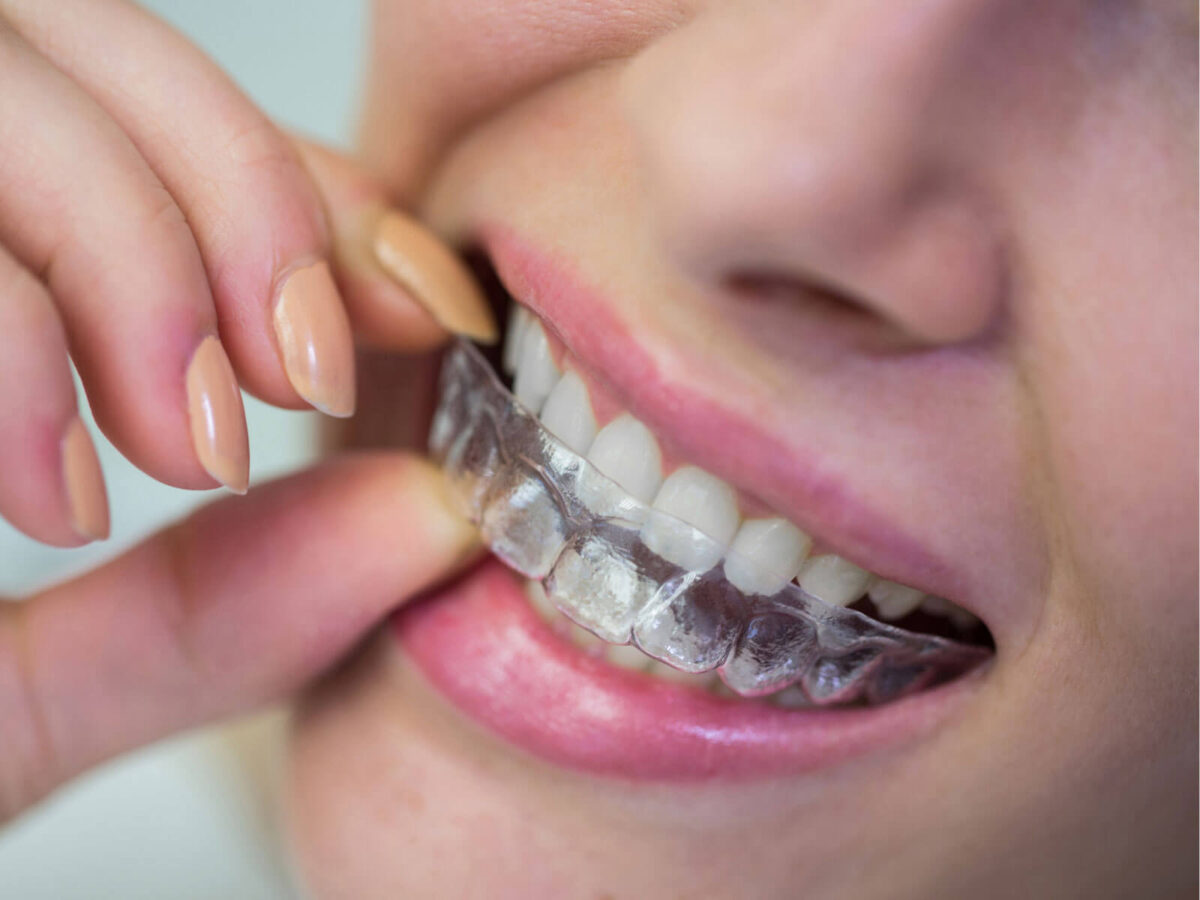
Clear Aligners 101: What Clear Aligners Cost and How They Compare to Braces
Most people, including myself, walked into their first orthodontic research convinced that clear aligners were the pricier option. It’s a fair assumption, but it’s not accurate. Clinical data and real fee surveys put clear aligner costs somewhere around $3,000 – $7,400, which lands them in the same ballpark as traditional braces for most of the cases.
Here’s what the numbers actually look like, and how the two options compare.
TL;DR
- Clear aligners cost around $3,000 – $7,400. This puts them in the same price range as traditional braces for most people.
- You can take them out whenever you need to, and they’re not easily noticeable when you’re wearing them.
- Study after study shows patients find them more comfortable and better-looking than braces.
- For complex bite issues, traditional braces may still be the better call.
- If you’re in Aransas and weighing your options, a consultation is the only way to know what’s right for your case.
What Are Clear Aligners, Exactly
I’ve seen a lot of patients ask about clear aligners before committing to anything. Simply put, they’re a set of transparent trays fitted just for your teeth. You wear each tray for a week or two, then move on to the next. No metal, no wires, nothing that stays fixed in your mouth.
During the treatment, the dentist maps the whole treatment digitally from day one. It gives you a clear picture of what you can expect before anything begins.
Why Are So Many People Going For Clear Aligners Now
A 2023 industry report found that roughly one in two orthodontic patients now go with clear aligners over traditional braces. Honestly, for working adults in Aransas, the reason isn’t hard to figure out. Metal brackets at a board meeting or a dinner out just aren’t something most people want to deal with.
The lifestyle side of things matters too. These trays come out for meals, photos, social events – whatever the situation calls for. Braces just don’t give you that option.
What Do Clear Aligners Actually Cost
I get why most people walk in expecting clear aligners to cost significantly more than braces. Honestly, I thought the same before I looked into it. But looking at the actual fee data, the range sits somewhere around $3,000 – $7,000 for most cases, which is right in line with what traditional metal braces cost.
The final number comes down to how much correction your teeth need, which brand your Aransas provider works with, and the specifics of your case. Pricing does vary by location, so what you pay locally may differ from what someone in a larger metro pays.
Most offices have financing options available. HSA and FSA funds typically apply, and if your insurance plan includes orthodontic coverage, many insurance providers treat clear aligners the same way they treat braces when it comes to coverage.
Clear Aligners vs Braces – What the Numbers Actually Show
Honestly, I went into this expecting a clear winner on price. The data didn’t give me one. The ADA’s Survey of Dental Fees has traditional braces sitting around $3,000 – $7,000, and clear aligners from $4,000 to $7,400. Lingual braces are a different story entirely, sometimes crossing $10,000.
Put those numbers next to each other, and the price argument kind of falls apart. It really just comes down to what your teeth need.
What the Research Actually Says About Outcomes
The part I didn’t expect was how close the results actually were. A PubMed study of 100 orthodontic patients found clear aligner users rated aesthetics at 8.7 out of 10 compared to 5.4 for braces. They even rated comfort at 8.2 versus 4.9. That’s a noticeable difference in everyday experience.
What doesn’t differ much is the end result. Treatment effectiveness came out statistically similar across both groups. Both options end up in the same place. How you get there just feels very different.
When Braces Are Still the Better Option
I’ll be upfront about this. Clear aligners aren’t the right fit for every case. Severe crowding, significant rotation, complex bite corrections – these situations often still call for traditional braces. Your Aransas provider will flag this at your first visit if it applies to you.
Wearing consistency is the other thing worth thinking about. Success rates for clear aligners run between 80% and 96%, but hitting that upper range means keeping them in for 20 to 22 hours a day. Some people just do better with something that’s fixed in place and not a daily decision.
Straighter Teeth, Your Way
Find out if clear aligners are right for your smile with a personalized consultation at Aransas.
How the Treatment Process Actually Works
My first visit started with digital impressions, no messy molds involved. The provider used those to build out a full clear aligner treatment plan, including a 3D projection showing exactly where my teeth were headed and a rough timeline for getting there.
From there, the trays get made and sent to the office. Each set is worn for one to two weeks before moving to the next. With braces, you’re back at the clinic every month. With clear aligners, check-ins are spaced out to every six to eight weeks, which frees up a lot more of your calendar.
What to Watch Out For Before You Start
From what I’ve seen, wearing consistency trips people up more than anything else. A few skipped hours here and there with clear aligners add up quickly, and when it does, timelines shift, and results take a hit.
Not every case is a good fit either. Some bite corrections need hardware that aligners simply can’t provide. If your provider steers you toward braces, that recommendation is worth listening to.
One more thing that catches people off guard: retainers. According to a study published in the American Journal of Orthodontics and Dentofacial Orthopedics, relapse rates without proper retainer use can reach up to 70%. The last tray isn’t the finish line. A retainer comes after, just as it does with braces.
FAQs
How long does clear aligner treatment take?
For mild to moderate cases, treatment with clear aligners typically runs between 6 – 18 months. Complex cases go longer. Your provider will map out a projected timeline at your first visit.
Do clear aligners hurt?
Each new tray brings a day or two of pressure while your teeth adjust. It’s generally mild enough to manage without pain relief. Most patients report it’s much less uncomfortable than tightening appointments with braces.
Will clear aligners stop me from eating what I like?
No. You remove the trays before eating, so there are no food restrictions at all. Ask anyone who’s had braces, and they’ll tell you that’s a big deal.
Does insurance cover clear aligners?
A good number of orthodontic plans cover clear aligners at the same rate as braces. Check your plan’s lifetime orthodontic maximum and whether an age limit applies to your coverage.
Conclusion
After going through all of this, the cost difference between clear aligners and braces turned out to be much smaller than I expected. Honestly, I didn’t expect the two to be this close on almost every front. What actually drives the decision is your case, your lifestyle, and how consistently you can commit to wearing a removable device.
For anyone in Aransas weighing this, the research gives you a solid starting point. An actual consultation, with someone looking at your teeth in person, is what tells you for sure.
Ready for a Straighter Smile?
Get expert guidance on clear aligners from a trusted Aransas dental provider.