Blog
Dental hygiene tips for healthy teeth & gums
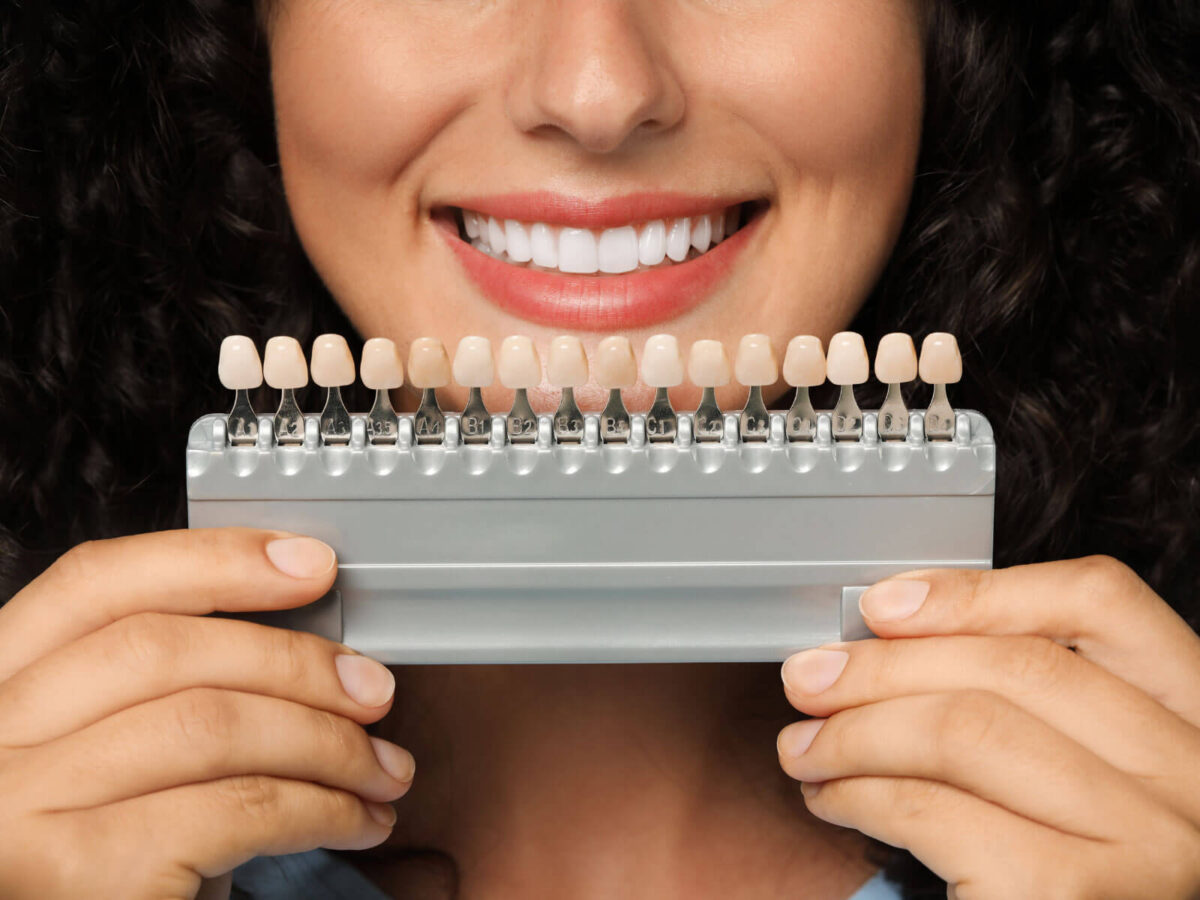
Best Snap-On Veneers in 2026: Top Brands Compared by Quality, Cost, and Fit
A coworker ordered a pair of snap-on veneers before her sister’s wedding, mostly off a “best of 2026” list that turned out to be an affiliate site collecting commissions on every brand it ranked. They fit fine. She just wishes she’d known the list wasn’t neutral before paying for express shipping based on it.
You take an impression at home, mail it in, and a set of custom trays comes back that clip over your own teeth. No drill, no dentist chair, nothing permanent, just take them out and put them back in whenever you need them.
That’s exactly why so many “best of” lists exist for this, and why so few of them are neutral. A lot of what’s out there answering “what are the best snap-on veneers” comes from sites that get paid when you buy.
What Does Snap-On Actually Mean for a Set of Veneers
Thin shells that clip over your existing teeth. Your enamel stays untouched underneath. No drill is involved anywhere in the process. A lab molds each set from dental resin or acrylic, working off an impression taken either at the dentist or through a mail-in kit.
A cosmetic cover, essentially, and that word matters. A NewMouth review tested several brands and found the same limitation across all of them: cavities, gum disease, structural damage, none of that gets touched. They just sit over top of whatever’s already there.
How Snap-On Veneer Brands Stack Up Against Each Other
Instasmile.
This is the one you pay more for. $400 to $750 per arch, sitting well above the others in the lineup. That price buys a longer warranty, up to two or three years depending on the line, and gives you a choice between a thinner cosmetic set or something built for everyday wear. Where it falls apart a little is reviews, Trustpilot likes it, Google and Yelp are less convinced.
Shiny Smile Veneers.
This one keeps landing near the top of comparison guides, and the reasons are consistent: price, customization, support, all balanced reasonably well. A full set runs $500 to $700, built entirely from an at-home impression kit, with no dental visit needed at any point.
Pop On Veneers.
Known for an easy remake policy, often up to two free remakes if the initial fit isn’t right, along with free expedited shipping in both directions on some plans. Pricing runs comparable to Shiny Smile, though a few sources note a shorter standard warranty window than Instasmile offers.
TruSmile.
Positioned as the budget-friendly option across most of the sources that mention it, generally priced lower than the three above. Lifespan takes a hit too. Several sources put budget-tier sets at 6 to 12 months of wear, while premium mail-order brands stretch to 1 to 3 years.
Snap-On Smile.
Skip the mail-order kit entirely. A dentist takes the impressions and handles the fitting in person. Slower, pricier, but someone qualified is checking bite alignment before anything gets made.
What Determines Whether Snap-On Veneers Look Real
You can usually spot a bad pair from across a room. Too thick, too white, that flat plastic look that catches light wrong. That’s acrylic doing what acrylic does.
The good ones use dental resin instead, closer to how real enamel bends light. Still not the material that makes or breaks it, though. Fit does that. A mold taken carelessly at home comes back bulky no matter what it’s made of, and reviewers keep pointing to this exact thing: same brand, two different buyers, two completely different results, all because one of them rushed the impression kit.
Can You Actually Eat With Snap-On Veneers
Some, cautiously. Most brands recommend removing them for meals, and NewMouth’s review notes that food getting trapped underneath is a real concern regardless of brand, one that requires cleaning the appliance at least once daily to avoid bacterial buildup.
Newer hybrid composite materials handle some pressure better than older acrylic designs, and a few current brands market themselves specifically around being wearable through soft foods. Hard, crunchy, or sticky foods remain a risk across every brand, though, since cracking or dislodging is a fairly common complaint in user reviews, whichever of the best snap-on veneers you end up choosing.
Why the Advertised Price Almost Never Matches What You Pay
$300 to $900 per arch is what shows up on most homepages. What actually lands on a credit card statement is a different story. A cost breakdown from RealDentalCosts puts real spend 30 to 60 percent above that advertised number once rush production, an extra remake, or a warranty upgrade gets added in.
That’s worth budgeting for upfront rather than being surprised later. A homepage advertising $500 realistically means closer to $650 or $700 by the time a rush order or one remake gets factored in.
When Should You Not Wear Snap-On Veneers at All
Wear them occasionally, and the risk stays low as long as the material is BPA-free or otherwise biocompatible. Wear them every day, though, and bacteria trapped underneath start irritating gums over time. A bite that’s even slightly off from a bad fit adds its own discomfort on top of that.
Skip them entirely if there’s pain, swelling, or bleeding gums going on underneath. The same goes for a loose tooth or visible decay. An active problem doesn’t stay hidden just because something’s covering it. Toothoria’s guide on the category puts it plainly: these are cosmetic covers, not treatment, and something wrong underneath can quietly get worse while the surface looks fine.
Mail-Order or Dentist-Fitted – Which One Actually Fits Your Situation
Depends on your priorities. Mail-order brands are cheaper and faster, usually two to four weeks from impression to delivery, and skip dental visits entirely. That convenience comes with more room for fit error, since nobody’s checking the impression quality in person before it goes to the lab.
Dentist-fitted options like Snap-On Smile cost more and take longer, but a professional is verifying bite and fit directly, which matters more for anyone with a complicated bite, missing teeth, or a mouth shape that doesn’t match a standard mail-order mold well. Someone weighing what the best snap-on veneers are for their own mouth usually lands on one side or the other based on that one factor alone.
FAQ
What’s the cheapest snap-on veneer option out there?
TruSmile, most comparisons agree on that. You give something up for the lower price, though. The expected lifespan drops compared to the premium mail-order sets.
Do snap-on veneers damage your real teeth?
A well-fitted set worn with regular breaks usually doesn’t cause damage. When damage does happen, it’s almost always a fit problem, bacteria getting trapped against the gumline, not the material reacting badly with teeth.
What’s the realistic lifespan on a pair of these?
Twelve to eighteen months before visible wear shows up on most mail-order sets. Go the dentist-fitted route with something like Snap-On Smile, and that stretches to three or five years, which tracks with what you’re paying upfront.
Is it possible to return them if the fit’s off?
Getting cash back is unusual. These are molded from your own impressions, so there’s not much resale value in someone else’s mouth shape. A remake is the standard fix. A few brands will refund you, but only if you back out before the kit’s even been used.
Conclusion
What the best snap-on veneers are depends less on which brand tops a ranked list and more on what you actually need them for – a one-time event, regular cosmetic wear, or something closer to a dentist-managed solution. Several brands show up consistently across independent reviews for good reason, but the price gap between the advertised rate and the real total is worth planning for before you order.
If you’re dealing with any active dental pain, bleeding, or looseness, see a dentist before ordering any of these. A snap-on veneer covers the problem. It doesn’t fix it, and your wedding photos are a bad place to find that out first.