Blog
Dental hygiene tips for healthy teeth & gums
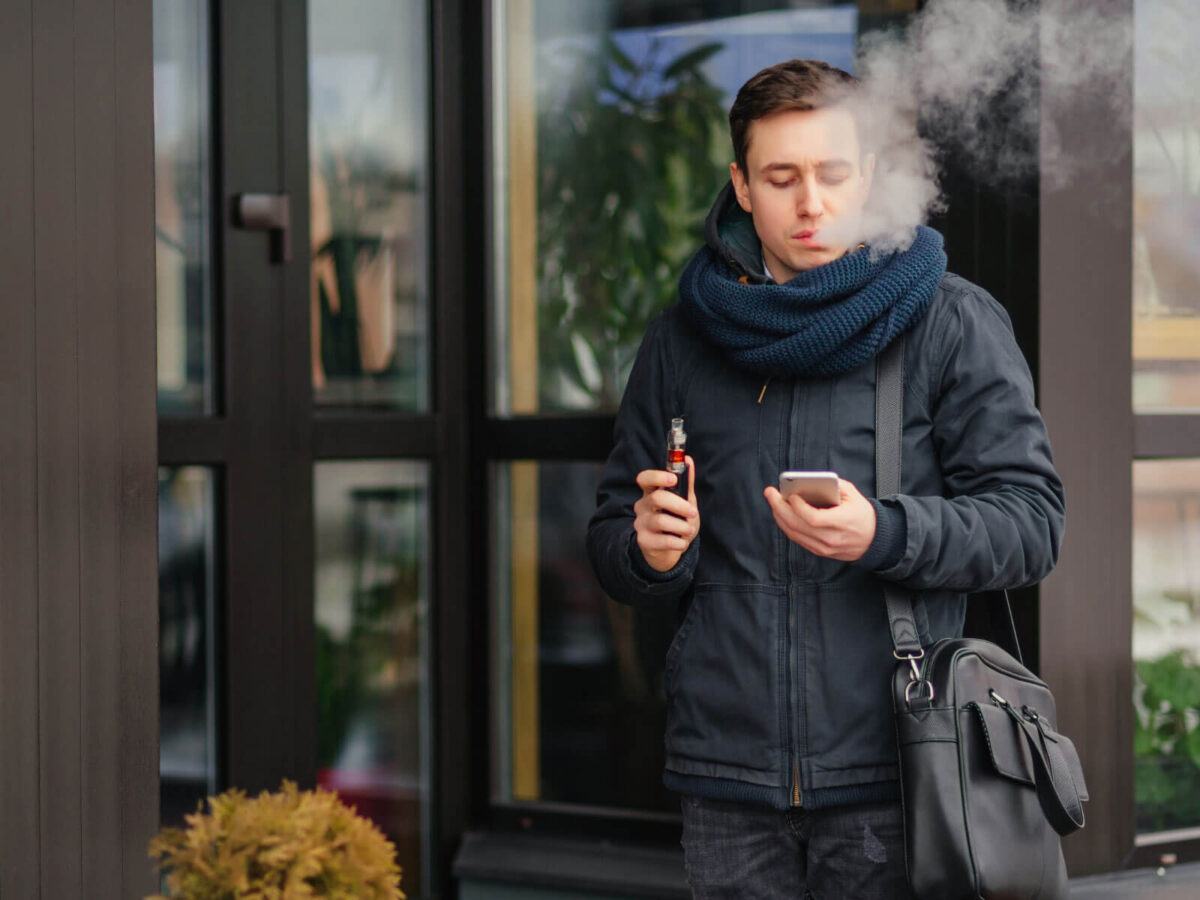
What Does Vaping Do to Your Teeth?: Effects on Enamel, Gums, Saliva, and Long-Term Oral Health
A woman went two years without a cigarette after switching to vaping, and her dentist still flagged the same gum inflammation she’d had as a smoker. That’s the appointment that got me curious about “what does vaping do to your teeth”, because “better than smoking” and “fine” turned out to be two very different things.
Nicotine is the common thread. It restricts blood flow to gum tissue regardless of how it enters the body, smoke or vapor, cigarette or pod. Add the flavoring chemicals and heat from vaping specifically, and the mouth ends up dry enough for bacteria to build up faster than usual.
What’s in Vape Aerosol That Damages Teeth
A narrative review on e-cigarettes and oral health tied vaping to teeth discoloration and dental caries. Periodontal disease and mucosal lesions showed up too, with some cases linked to a higher risk of oral cancer over time.
Nicotine’s not the only culprit. Calcium, iron, and copper turn up in the aerosol as well, and enamel reacts to them inconsistently, strengthening in some cases, breaking down in others, depending on exposure levels over time. Sweet-flavored e-liquids make things worse on their own, giving bacteria an easier grip on the tooth surface than they’d normally get.
I’ve heard dentists describe the staining pattern as similar enough to tobacco smoking that they can’t always tell the two apart just by looking.
That same review flagged something most people don’t think to ask about: discoloration on fillings and dental restorations, not just natural teeth. It’s one more example of what vaping does to your teeth beyond the obvious.
Why Does Vaping Cause Dry Mouth
Dry mouth comes up constantly in the vaping research, and for good reason. A PMC review on the oral health impacts of vaping found reduced salivary flow is a common complaint among users, and that loss of saliva strips away one of the mouth’s main defenses against decay.
Chronic dryness doesn’t stop at discomfort. The same review connects it to a higher risk of halitosis and opportunistic infections like oral thrush, on top of the usual caries and periodontal disease risk that comes with less saliva circulating.
Does Vaping Erode Tooth Enamel
Test enough vape liquids, and you’ll find most sit on the acidic side. That same review connects the dots – low pH wearing down enamel, tooth sensitivity following close behind. Some flavors are worse than others. Nobody’s tested every product on the market, but the trend holds across enough of them to take seriously.
Saliva usually buffers acid before it does real damage. Less saliva means less buffering, so whatever the vape liquid is doing to enamel, it does it with less resistance than it would in a normal mouth. Dentists have said the same thing about soda and energy drinks for years. This just runs through a different delivery system.
Is Vaping Bad for Your Teeth the Same Way Smoking Is
Not quite, though the difference isn’t as large as people assume. A systematic review and meta-analysis on e-cigarettes and periodontal health pulled together ten studies and found a clear gradient. Nonsmokers had the healthiest gums, cigarette smokers had the worst, and vapers landed in between on nearly every measure tracked.
Probing depth, plaque index, and bleeding on probing – all three followed the same pattern. Vapers still showed measurably worse periodontal health than nonsmokers across multiple studies, and one included study found vapers had a less favorable response to standard periodontal treatment compared to nonsmokers, statistically similar to how poorly cigarette smokers responded.
Switching from cigarettes to vaping shows up in this data as real harm reduction, which matters. It also stops short of is vaping bad for your teeth having a clean “no” answer.
Does Vaping Increase Cavity Risk
Yes. Researchers put together a review in 2025 looking specifically at electronic smoking and dental caries, pulling in studies on oral bacteria, inflammation, and how cavities actually form in vape users compared to everyone else.
One thing stood out from an earlier review, too – flavor changes the risk. Fruity flavors give bacteria something extra to grip onto. Mint and menthol don’t do the same thing, at least not to the same degree. Two people vaping identical amounts can end up with real differences in cavity risk just based on what flavor they picked.
How Gums Change With Years of Vaping
Inflammation is the throughline across nearly every study. The periodontal meta-analysis found that vapers consistently showed worse plaque index and probing depth than nonsmokers, and in patients who already had periodontitis, e-cigarette users showed a less favorable treatment response than nonsmokers responding to the same care.
Peri-implant disease shows a similar pattern for anyone with dental implants specifically. Several of the studies in that meta-analysis measured peri-implant plaque and inflammation separately, and vapers came out worse than nonsmokers there too, even though cigarette smokers still ranked as the highest risk group overall. It’s one more layer to what vaping does to your teeth that doesn’t show up until years into regular use.
Are There Other Oral Health Risks From Vaping Besides Cavities and Gum Disease
A few show up repeatedly that don’t get as much attention. Oral mucosal irritation is common, with burning or stinging sensations that users report fairly often, according to the review on vaping’s oral health impacts. There’s also a physical injury risk worth mentioning – vape device explosions have caused facial and oral trauma, including damage to teeth in documented cases.
Longer term, a 2026 review on ENDS and oral health puts current use at roughly 100 million adults and 15 million adolescents worldwide, with regulation lagging well behind that growth.
The same review notes that 88 countries still have no minimum age restriction on e-cigarette sales. That matters for dental development specifically, since a lot of the current research skews toward younger users who started vaping in their teens, which adds a wider layer to what vaping does to your teeth than cavities and gum disease alone can capture.
Does Switching From Smoking to Vaping Actually Help Your Teeth
Somewhat, based on where the current data points to. The gradient found in periodontal research suggests a real reduction in harm compared to continuing to smoke cigarettes. I wouldn’t call it a clean win, though. Vaping still measurably worsens gum health compared to not smoking at all, and the treatment-response finding, vapers healing less well from standard periodontal therapy than nonsmokers, suggests the damage isn’t just cosmetic.
A dentist weighing in on a patient’s switch from cigarettes to vaping would reasonably call it progress. Calling it solved would be overstating what the research on “is vaping bad for your teeth” actually shows.
FAQ
Is vape staining as bad as cigarette staining?
Close enough that dentists sometimes can’t tell them apart by looking. Vaping leaves discoloration that in some cases matches tobacco staining, showing up on natural teeth and dental restorations alike.
What if the vape has no nicotine? Does it still hurt your gums?
It might. Flavoring chemicals and heating byproducts show up in some research as their own contributors to gum inflammation, separate from nicotine entirely, though nicotine-containing vapes are still what most studies actually track.
Is vaping actually easier on your teeth than smoking?
Vaping comes out ahead here, and that gap holds up across the periodontal research. That said, vapers still land worse off than people who do neither, so “easier” doesn’t mean “fine.”
Does the flavor of a vape change how much damage it does?
Yes, and sweet or fruity flavors come out worse than the rest. They’ve been tied to bacteria sticking to teeth more easily, which pushes cavity risk up regardless of how often someone actually vapes.
Conclusion
What does vaping do to your teeth? It dries out the mouth. Enamel gets stained, sometimes worn down too. Cavities become more likely. So does gum disease, worse than not vaping at all, better than continuing to smoke cigarettes. That gradient is the clearest summary of what the research currently supports.
If you vape and haven’t brought it up at a dental visit, that’s worth changing at your next appointment. It changes what your dentist is actually looking for, and it changes how they’ll explain whatever they find.