Blog
Dental hygiene tips for healthy teeth & gums
Dental Crown Types: Which One Is Right for Your Tooth?
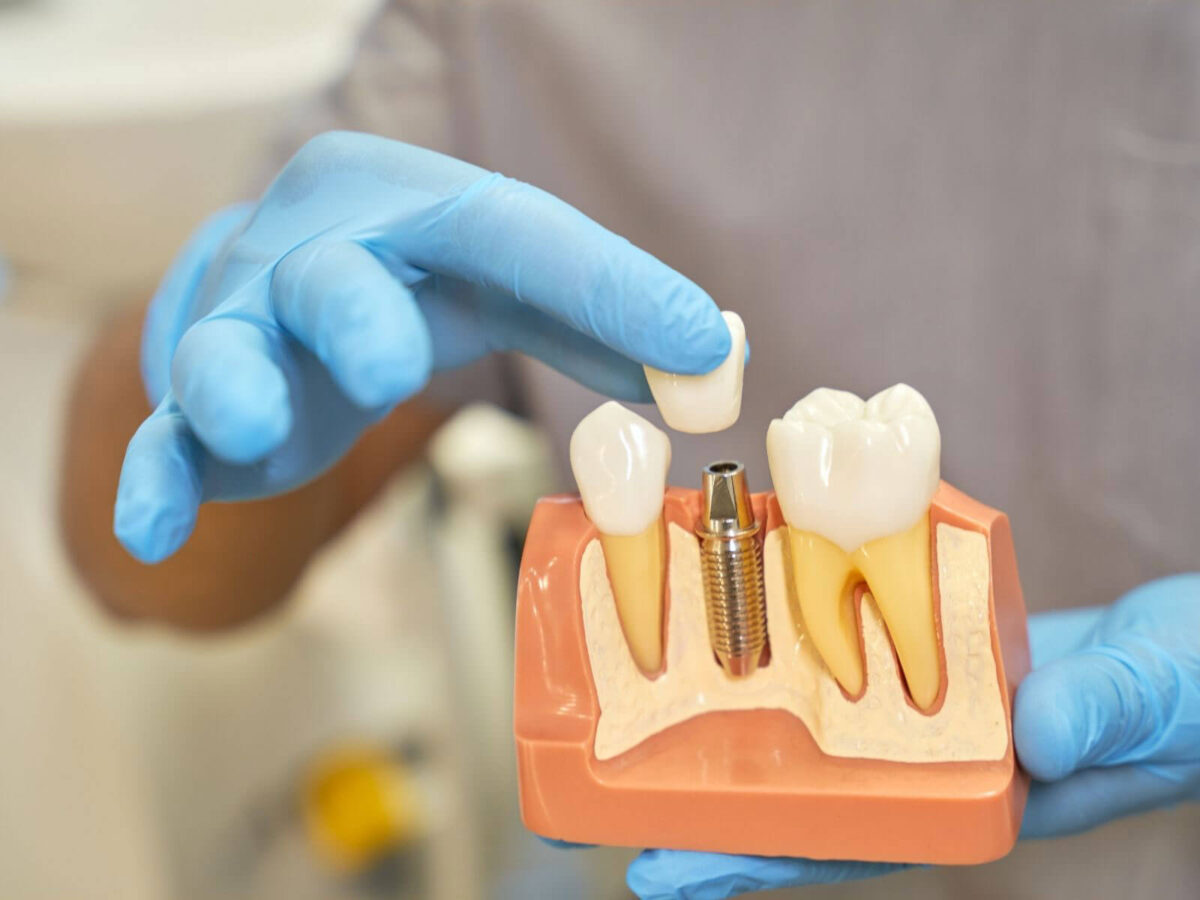
A dental crown is usually called a cap. That’s the simple way to explain it. But it does more than just cover a tooth. It restores strength, shape, and function in a way that helps the tooth work normally again.
The question of “what is a dental crown” often comes up when a tooth has been through some damage. Maybe it’s weakened from decay, maybe it’s cracked, or it’s been treated already. In those cases, the goal isn’t to remove it but to save it if possible.
The American Dental Association explains that crowns are used to restore a tooth’s shape, size, and strength while also improving its appearance. That combination is what makes crowns such a common solution. They don’t just fix a problem. They help the tooth function like it should.
Why There Are Different Types Of Dental Crowns
Teeth don’t all function the same way. Back teeth take on more force when chewing, while front teeth are more about appearance since they’re visible. Because of that difference, one type of material can’t suit every case. That’s where different crown options come in.
Some are designed for strength. Others focus on blending in with natural teeth. In many cases, dentists try to find a balance between the two.
Having a clear idea of crown for tooth options makes things less confusing. It’s not about following what others choose. It’s about what suits your specific needs.
What Metal Crowns Are And Where They Work Best
Metal crowns aren’t new. They’ve been used for years and are still chosen today because they’re durable. They can handle pressure without breaking or wearing down too fast. Because of that, they’re commonly placed on molars. Those teeth do most of the chewing, so they need something that can handle constant use.
They also have another benefit. Less of the natural tooth may need to be removed compared to some other types, which can make a difference.
They don’t really match your natural teeth, so they’re usually kept out of sight. But for strength, they still get used quite a bit.
Why Porcelain Crowns Are Common For Front Teeth
Porcelain crowns are mostly used when appearance becomes more important. That usually means front teeth, since they’re easier to see. You can notice even slight differences there, which is why matching matters more.
These crowns are made to match natural teeth. Both color and how they reflect light are taken into consideration while making them. That’s what helps them look more natural.
They’re not the strongest option, though. Under pressure, especially from chewing, they don’t hold up like metal. So dentists think about where the crown is going first. If it’s not a high-pressure area, porcelain can work. Otherwise, something stronger may be used.
What Crowns Made with Porcelain Over Metal Offer
These crowns use both metal and porcelain. The metal stays inside and keeps things strong. The porcelain goes on the outside, so it doesn’t look too different from natural teeth. That mix is why they’ve been used for a long time.
They can handle pressure better than some options and still don’t stand out too much. Over time, though, a thin line near the gum might show. It doesn’t always happen, but some people do notice it. Even with that, they’re still used quite a bit in different situations.
What Zirconia Crowns Bring To Modern Dentistry
You’ll notice zirconia crowns coming up more often now. They last quite well and don’t stand out much next to natural teeth. They can deal with chewing pressure without cracking easily, which makes them useful in many cases. On top of that, they can be shaped and colored to match the surrounding teeth better.
Some studies from the U.S. National Library of Medicine point out that zirconia has good fracture resistance and tends to last over time. Because of that, it’s often seen as a flexible option. It can be used for both front teeth and back teeth in many cases.
How The Dental Crown Procedure Works
The entire process takes two visits. The first visit is more about getting the tooth ready. A small amount is shaped so the crown can sit properly later. After that, they take an impression. It is used to make the final crown. You’ll usually have a temporary one in place while you wait.
The second visit is quicker, where the final crown is fitted and secured. If you’ve ever looked into “what is a dental crown”, this is basically how the dental crown procedure comes together in practice.
What Research And Statistics Say About Crown Success
They’re used quite a bit, and that’s mainly because they last. With proper care, crowns can stay in good shape for years. Studies usually mention something like a 90 to 95 percent success rate over around 10 years. That level of reliability is significant. It means most crowns last for many years without major issues.
Crowns come up pretty often in dental practice, especially when a tooth has been damaged. They’re one of the more common treatments. According to the National Institute of Dental and Craniofacial Research, crowns cover the full tooth and help bring back its normal function.
How Dentists Decide Which Crown Is Right
Choosing the right crown is not a random decision. It involves several factors. The location of the tooth matters. Front teeth require a natural appearance. Back teeth need to handle pressure. The condition of the tooth is also important. A heavily damaged tooth may require a stronger material.
Patient preference plays a role as well. Some people care more about how it looks. Others are more focused on how long it lasts. The choice usually comes after going over the options and understanding what each one offers.
Why Maintenance Matters After Getting A Crown
It protects the tooth, yes, but it’s not like problems just stop there. The gum around it can still get irritated if plaque isn’t cleaned properly.
Keeping up with oral care becomes important here. Keeping up with brushing and showing up for checkups makes a difference over time. A crown for a tooth can last for years, but that depends a lot on how well it’s looked after. It’s not just the crown. Everything around it plays a role as well.
FAQs
What is a dental crown, really?
It’s something that goes over a tooth when it needs support. It safeguards the part you see and helps it stay in place.
How long do crowns hold up?
It varies from case to case. Many last close to 10 to 15 years. Some end up lasting longer with proper care.
What happens during the procedure?
The tooth is adjusted first so the crown can fit. Then an impression is taken. After that, the final crown is placed once it’s ready.
Which type works best?
There isn’t just one answer. It usually comes down to the tooth and what it needs.
Conclusion
Dental crowns are often used when a tooth needs support. They’ve been around for a while, and each type comes with its own pros depending on the situation.
It helps to know “what is a dental crown” and what your options are. That way, things don’t feel as confusing. In the end, it’s not just about the material. It’s more about what actually works for you day to day.
Thinking about a crown? Best to ask your dentist about it. They can explain how it usually goes and what choices you have. Understanding the dental crown procedure a little can make things clearer and help you pick something that works for you over time.