Blog
Dental hygiene tips for healthy teeth & gums
Root Canal vs. Tooth Extraction: Which Option Should You Choose?
You go to the dentist thinking it’s just a small issue. Then they tell you the tooth is either saved or removed. That’s it. At that point, knowing about root canal vs extraction actually makes a difference. Otherwise, you’re just confused.
Everything looks simple at first. You either keep the tooth or get it removed. That part is clear. But it’s not always that simple after that. A few other things come into the picture. It’s not just about getting rid of pain. It’s about what will work better over time and what actually makes sense in the long run.
The American Association of Endodontists has reported this clearly. More than 15 million root canals happen every year in America. Most of these procedures help save the tooth. That alone shows how often saving a tooth continues to be the preferred route.
What A Root Canal Actually Does To The Tooth
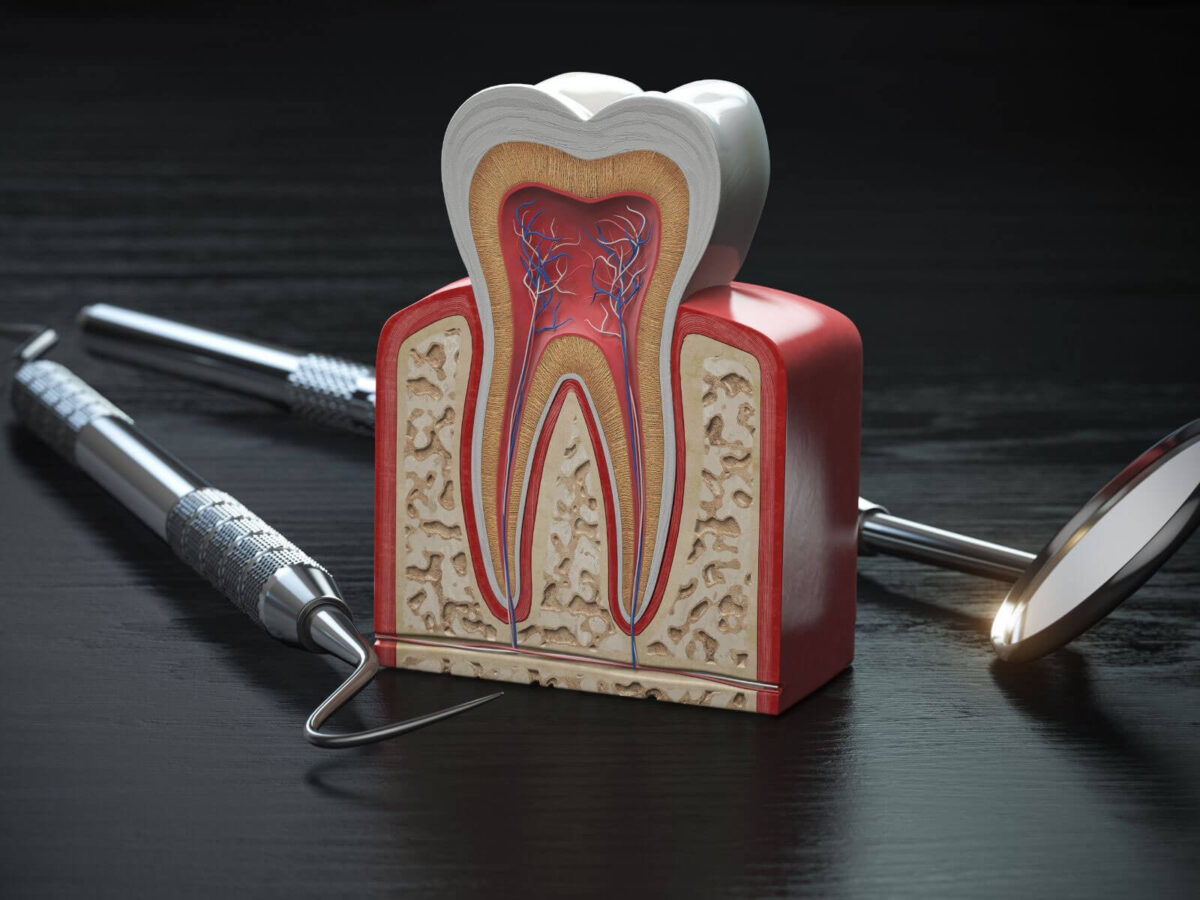
A root canal is done when there’s still a chance to keep the tooth. The dentist starts by clearing out the infected part inside. They then proceed to clean it and seal it so it doesn’t come back. After that, a crown is usually placed to help the tooth hold up again.
When people compare a tooth root canal vs extraction, this is where the difference really shows. A root canal keeps the natural tooth in place. That matters more than it seems. Natural teeth help maintain your bite and support nearby teeth.
The National Institute of Dental and Craniofacial Research also explains that saving natural teeth helps with chewing. It also helps keep the nearby teeth in place. That’s one reason dentists often lean toward root canal or extraction decisions that focus on saving the tooth.
What a Tooth Extraction Is Like
Extraction means the tooth comes out completely. It’s usually suggested when the damage is too much or the infection has spread. Sometimes it’s quick and simple. Other times, it takes a bit more effort, especially if the tooth isn’t easy to remove.
Afterward, the area heals, but the gap doesn’t just stay the same. Over time, nearby teeth can shift. That’s where root canal or extraction gets a bit more complicated. Removing the tooth helps in one way, but it can cause other changes later.
Why Saving The Natural Tooth Is Often Preferred
Dentists usually try to keep the natural tooth if they can. It just works better that way. Natural teeth handle chewing forces in a way that replacements don’t fully match. Once a tooth is gone, that gap doesn’t stay empty for long. Teeth around it can begin to move. All of this can change how your bite lines up.
The American Association of Endodontists also highlights that saving the tooth is often the better route. So in many root canal vs extraction cases, the goal is to keep the tooth if there’s a way to restore it.
When Extraction May Be The Better Choice
Even though root canals are common, they don’t work in every case. A severely damaged tooth, or one with very little structure left, can be hard to save. Gum disease can also reduce how stable the tooth is. In cases like these, removal may be the more practical route.
There are also situations where the infection runs too deep, and the long-term results stay uncertain. That’s when the discussion around root canal or extraction changes direction. The focus isn’t just on keeping the tooth. It’s about whether it will stay stable after treatment.
How Cost Can Affect The Decision
Cost tends to come up early in the discussion. It’s one of the first things people consider. Extraction might look less expensive at first. The procedure alone usually costs less than a root canal along with a crown. It may look simple at first, but it doesn’t cover everything.
Removing a tooth is usually just one part of it. Leaving the gap isn’t ideal for most people. So they go for something like an implant or a bridge, or in some cases a denture. Those treatments bring in extra costs later on.
A root canal takes a different approach. It tries to keep the tooth you already have. So when you look at tooth root canal vs extraction, it’s not only about what you pay first, it’s also about what comes later.
What Recovery Feels Like For Each Option
Recovery is one of those things people don’t think about until after the treatment. A root canal is usually easier in that sense. Most patients feel okay to continue their routine soon after, with only slight discomfort for a short time.
Recovery after extraction can take some time. If it’s surgical, it may feel slower. You’ll likely need to be careful for a few days. This is why root canal vs extraction also comes down to how fast you can return to your normal routine.
How Long-Term Outcomes Compare
Long-term results are not just about the procedure itself. They also depend on how well it is done and how it is looked after later. A well-done root canal doesn’t wear out quickly. It can last years. With a crown in place and basic care, the tooth usually functions normally.
Extraction works differently. Once the tooth is removed, something often needs to replace it to restore function. Without that, eating can feel off, and nearby teeth may start shifting. Over time, this can affect alignment. That is why root canal or extraction is not really about convenience, but about what holds up better in the long run.
Why Personal Factors Matter In The Final Decision
You can’t really treat every case the same way. A lot depends on the individual. Oral condition and personal preference matter here. Some people want to keep their natural teeth no matter what. Others prefer something simpler that deals with the issue right away.
Dentists usually look at all of this before suggesting anything. It’s not only about what works clinically, but also what makes sense in real life. Comfort, time, and long-term outcomes all come into it. That’s why understanding root canal vs extraction can help patients feel more prepared and a bit more confident when talking things through.
FAQs
What do most dentists suggest in root canal vs extraction cases?
They usually try to save the natural tooth, as long as it’s still a good option.
What helps decide between a root canal and extraction?
Mostly, the state of the tooth and whether it will last after treatment.
Is a tooth root canal vs extraction going to cost more?
A root canal can seem expensive at first, but extraction often brings extra costs later.
Does extraction heal quicker than a root canal?
In many cases, it doesn’t. Healing can take more time than expected.
Conclusion
At times, it is really hard to decide what to do with your bad tooth. Saving it or removing it can both seem possible at first. There are a few things to think about, and both options have good sides and not so great ones. That’s why people often take time before choosing.
Having some idea about root canal vs extraction can make things easier to understand. It helps you see what each treatment means in the long run. The goal should not only be to deal with the problem quickly. It should also be to make sure your oral health stays in good shape over time, not just in the short term.
If you’re dealing with this kind of decision, it helps to talk to your dentist first. Let them take a proper look. After that, choosing between a root canal or extraction usually feels a bit clearer. You’re not just guessing anymore, and things start to make more sense.