Blog
Dental hygiene tips for healthy teeth & gums
How Long Does a Teeth Cleaning Take? Time, Steps & What to Expect
If you’ve ever delayed a dental cleaning, chances are time played a role. You assume it’ll take a while. Maybe half your day. Maybe longer if something unexpected comes up. So you put it off, thinking you’ll go when you have a proper window. Then you finally go, and it’s done before you expected. That’s usually the first realization.
The answer to “how long does a teeth cleaning take” is usually simpler than people expect. A regular cleaning appointment does not take all day. For most patients, the visit is finished in under an hour, especially when cleanings are done regularly.
Why the Time Isn’t Exactly the Same for Everyone
There really is not one standard timing that fits everybody. Someone who gets regular cleanings may be done pretty quickly, while another person might need extra time because there is more buildup to remove. Gums matter too. Sensitive gums can slow the cleaning down a bit because some spots need extra care.
That is usually what changes the timing. Not randomness. Just the condition of the teeth during that appointment. So when people ask “how long should teeth cleaning take”, the answer depends more on what needs cleaning than on a fixed number.
What Is The First Step
Before the actual cleaning starts, there is normally a brief check of the teeth and gums. The dentist is basically trying to see what condition everything is in before moving forward. Sometimes they ask questions. Sometimes they just examine the mouth quietly for a minute or two. Either way, it helps them decide how the cleaning should go.
What Takes Up Most of the Appointment?
A large part of the appointment is spent removing plaque and tartar from the teeth. That is the stage where patients hear the scraping noises coming from the cleaning tools. Most people notice the sound more than discomfort itself, though everyone reacts differently to it.
Some cleanings move through this stage pretty quickly. Others take longer because there is more buildup sitting near the gums or between the teeth. The appointment timing usually changes the most during this part of the process.
Polishing Feels Different (And Faster)
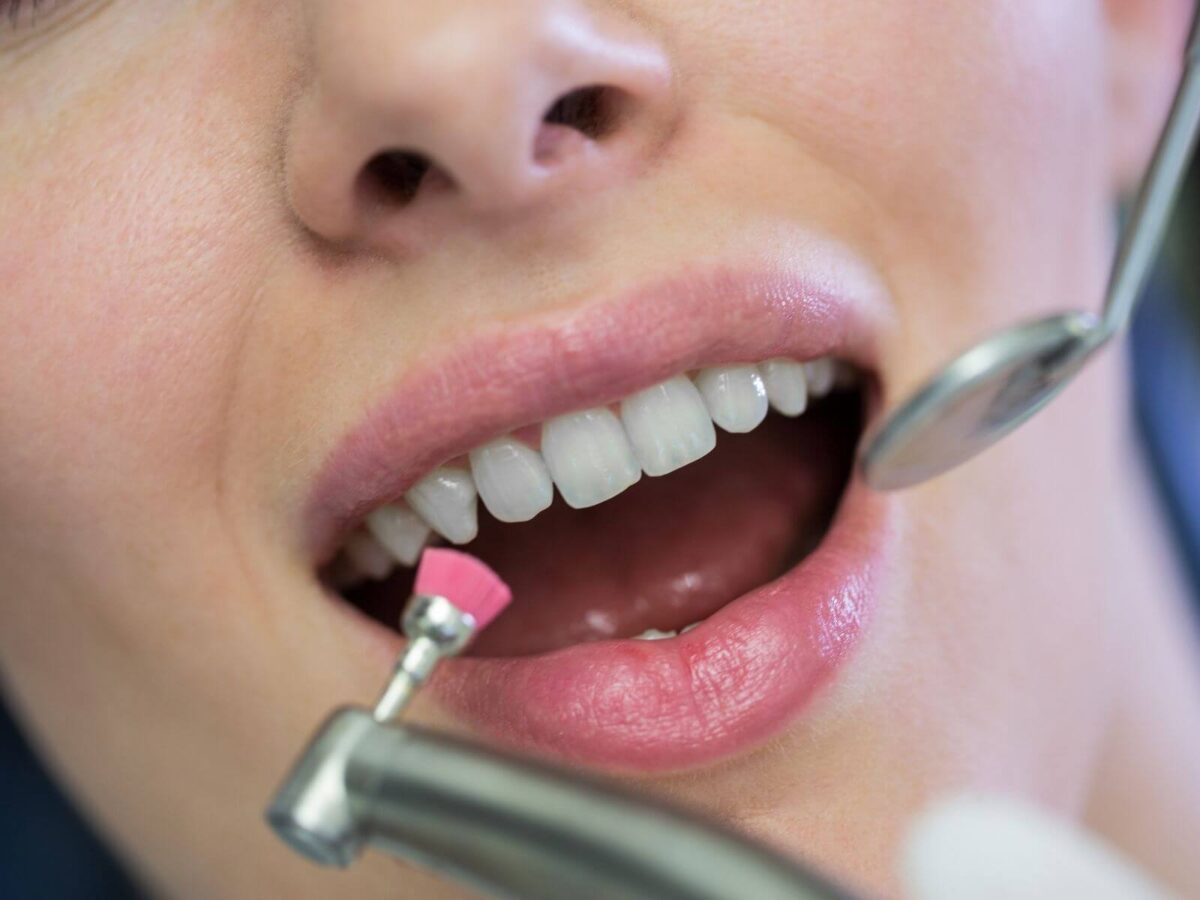
After the buildup is removed, the cleaning moves into polishing. This part feels less intense for most patients. A soft spinning brush and polishing paste are used to clean the surface of the teeth and work on lighter stains. The process itself is fairly quick, but people often notice how smooth their teeth feel once it is over.
Flossing Isn’t Just a Quick Add-On
Flossing normally happens toward the end of the visit. Even though that step is fairly quick, the hygienist still moves carefully between the teeth instead of rushing through it. In some places, the floss moves easily. In others, it may catch buildup or irritation near the gums. That small step helps make sure the cleaning feels complete before you leave
Where the Total Time Actually Goes
A routine cleaning is not really one single process from start to finish. The dentist moves through different parts during the appointment instead of doing the same thing the whole time. There is usually a quick exam first, then buildup removal, polishing, and flossing afterward. That is usually where the appointment time goes. Not into one single step, but across several smaller parts of the cleaning.
What Makes Some Dental Cleanings Last Longer?
A cleaning appointment usually depends on what the dentist sees once they start working. If there is only light buildup, the process moves along fairly easily. But when tartar has collected around the gums for months or years, more time is usually needed to clean everything properly.
Gum sensitivity matters too. Some areas may hurt during scaling, so those areas are cleaned more slowly. That extra time is usually about keeping the patient comfortable rather than making the appointment feel rushed.
Does It Hurt?
The cleaning itself is generally pretty manageable, though patients sometimes notice sensitivity near the gums during certain parts. That tends to happen more when there is tartar buildup sitting there. The feeling is usually quick, not constant. Some patients barely react to it, while others prefer short pauses in between. That is pretty normal during cleanings. Dentists are usually fine slowing down if needed.
What Do Studies Say About Dental Cleanings?
The American Dental Association says plaque can harden over time if it keeps sitting on the teeth. That hardened layer is called tartar. It stays in places that regular brushing does not always clean very well. Once it reaches that stage, dentists usually need professional tools to remove it.
The National Institute of Dental and Craniofacial Research also explains that buildup around the gums may create problems later if it is ignored for long periods. Their guidance notes that tartar often needs professional removal because it clings to the teeth much more firmly than soft plaque.
There is also a review through the National Institutes of Health that looks at how professional cleanings are used in preventive dentistry. It explains that procedures such as scaling are meant to remove buildup from areas people may miss during daily brushing.
Why People Still Delay It
A lot of people do not actively decide to avoid dental cleanings. It just keeps getting postponed. Life gets hectic sometimes, and dental appointments slowly end up getting pushed further back. If there is no pain or visible problem, the appointment stops feeling important. That is usually how it happens. Not because the cleaning is difficult, but because nothing feels wrong right now.
When Do Most People Go Back for a Cleaning?
A lot of patients usually go in for cleanings twice a year. It is not really because something suddenly happens at the six-month mark.
Dentists usually recommend it so that the buildup does not sit there for too long without being removed. Some patients go more often, especially when gum problems are involved, but a basic twice-yearly visit is pretty normal for regular maintenance.
A Few Numbers That Put It Into Perspective
- Most routine cleanings take 30–60 minutes
- Regular cleanings reduce the risk of gum disease over time
- Delaying cleanings can lead to longer and more involved appointments later
- These numbers aren’t surprising. But they explain why consistency matters.
FAQs
How long does the process of teeth cleaning last?
Most routine cleanings are usually finished within an hour.
What should be the duration of teeth cleaning?
There’s no universal answer. The duration depends on how much cleaning your teeth really need.
Does a teeth cleaning hurt?
Some areas can be very sensitive. The majority of individuals are able to endure it.
When to have teeth cleaned?
A lot of dentists recommend that a visit should be made once every six months.
Conclusion
A lot of people keep searching “how long does a teeth cleaning take” because they picture a long appointment sitting in a dental chair for hours. That usually is not the case. Most cleanings move pretty quickly, especially if you stay somewhat regular with your visits. The appointment is really meant to clear away buildup, check for small issues, and help your mouth feel healthier before bigger problems start showing up.
A lot of the stress disappears once you understand how long teeth cleaning should take in a normal visit. Most people realize the appointment is much more manageable than they expected. Even so, many patients continue delaying cleanings because their teeth seem fine for the moment. What they do not realize is that small dental problems can quietly develop over time without causing pain early on. Booking a cleaning now may help you avoid longer and more stressful dental appointments later on.