Blog
Dental hygiene tips for healthy teeth & gums
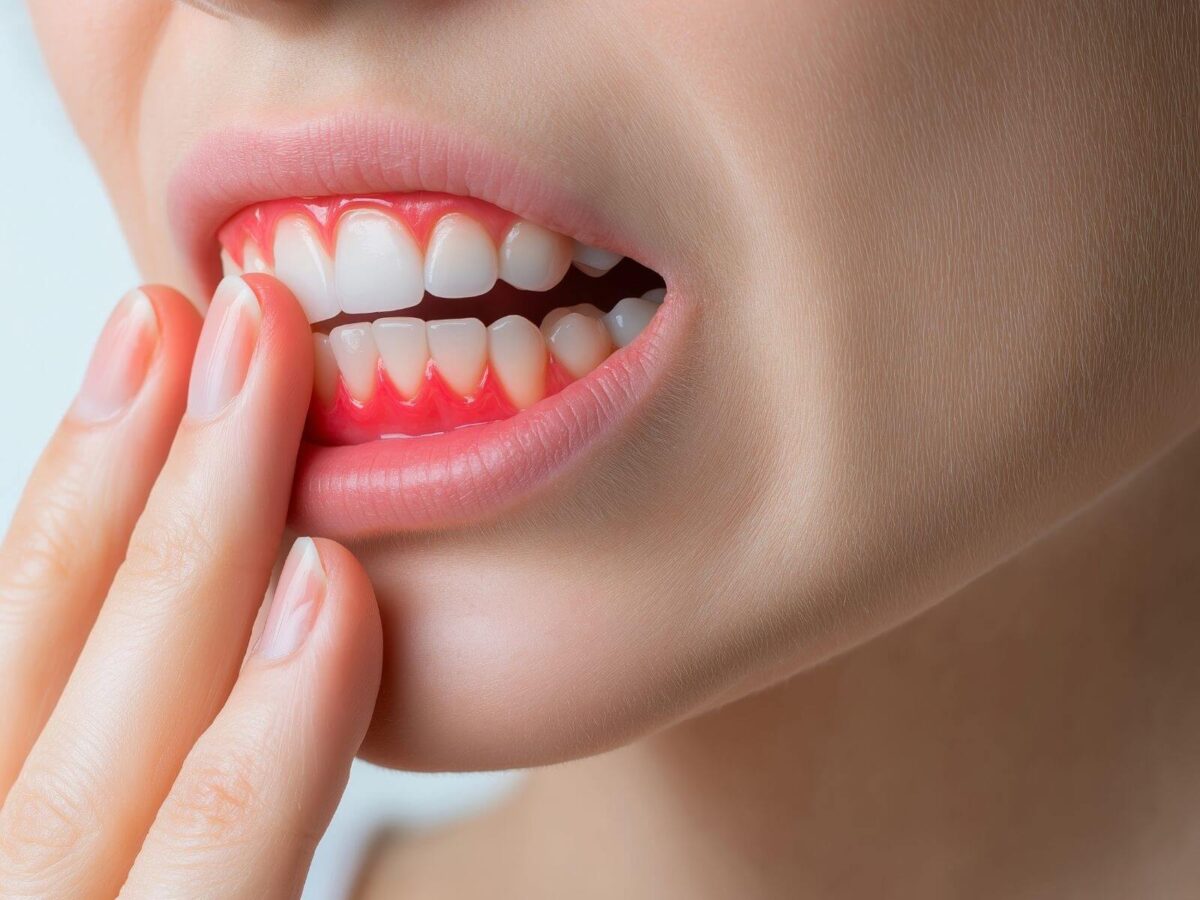
Swollen Gums: Causes, Symptoms, and Treatment Options
Swollen gums usually start in a pretty subtle way. Most people notice small changes before anything feels serious. Maybe the gums look slightly puffy near one tooth while brushing. Maybe there is light bleeding while flossing, even though that never used to happen before. Since nothing feels seriously painful yet, the irritation often gets ignored at first. Life goes on normally, so the problem does not really seem big at first.
After a while, the swelling starts feeling more consistent than accidental. You may notice the same area feeling irritated again and again during brushing. Maybe it bleeds sometimes. Maybe it just feels sensitive for no clear reason. That often happens when the actual cause of the irritation is still there.
What Gum Swelling Actually Means
At its core, gum swelling is inflammation. The body is reacting to something around the gums that it does not like very much. That is commonly linked to plaque buildup and bacteria collecting around the gumline. The tricky part is that this buildup happens slowly. Not overnight. Which is exactly why so many people miss the early signs.
The Centers for Disease Control and Prevention (CDC) says nearly half of adults over 30 have some form of periodontal disease. That number surprises a lot of people. And for many of them, the problem started with smaller symptoms first. A little bleeding while brushing. Mild irritation near the gums. Slight swelling that did not seem serious at the time. Those early changes are often easier to ignore than they should be.
Causes of Gum Swelling (What’s Actually Behind It)
There isn’t just one cause. Most cases of swollen gums come from a mix of everyday factors that slowly build up rather than something sudden.
Plaque and Tartar
Most people already have plaque forming on their teeth during the day. The trouble begins when some of that buildup stays near the gumline too long. It slowly hardens into tartar, especially in areas that are harder to clean properly. After that, the gums may stay irritated more regularly, which is often when swelling starts showing up.
Gingivitis
Gingivitis is where things become more noticeable. It’s the early stage of gum disease, and one of the main reasons people experience swollen gums around the tooth areas. At this stage, the gums are inflamed, but the damage hasn’t gone deeper yet.
NIH research shows that gingivitis is extremely widespread and often goes unnoticed because it doesn’t cause extreme pain.
Hormonal Changes
During certain stages of life, the gums can react more strongly than normal. Pregnancy is one example. Puberty too. The gums become easier to irritate during those times. That means even light plaque buildup may trigger discomfort.
Low Vitamins
This part usually gets overlooked. People think about plaque first, not nutrition. But low vitamin C levels can affect the gums more than many realize. The tissue becomes easier to irritate, especially around areas where plaque is already sitting near the gumline. After a while, swelling and bleeding may start happening more often.
Local Irritation
Sometimes it’s very specific. An irritated spot near a tooth may happen because something keeps rubbing the gums. Or food stays trapped there too long. That often leads to swollen gums around tooth areas rather than swelling across the whole gumline.
Symptoms of Swollen Gums
The signs are not always obvious in the beginning. Sometimes
- people only notice one or two changes at first.
- Swelling or puffiness near the gums
- Bleeding while brushing the teeth
- Soreness around certain gum areas
- Gums feel softer than before
- Ongoing bad breath or bad taste in the mouth
If these changes continue happening, the gums are probably still reacting to something.
When It Starts Becoming More Than Just Mild Swelling
Sometimes the swelling does not stay at the same stage. It begins as mild irritation near the gums. Then months pass, and the inflammation keeps lingering in the background. That is usually when gingivitis can start turning into periodontitis. Over time, the problem can move below the gums instead of remaining only on the surface. The structures supporting the teeth may eventually become involved as well.
Most people do not notice that change happening right away because it is usually slow. There is no sudden moment where everything feels dramatically different overnight. But research has linked lasting gum inflammation with tissue damage over time. It may also begin affecting the bone around the teeth.
Treatment Options for Swollen Gums
Usually, the hard part is not the treatment itself. It is catching the problem before the irritation keeps getting worse. Once the cause is removed, the gums often begin healing little by little over time.
1. Dental Deep Cleaning
This is usually the first step. A dentist removes plaque and tartar that brushing can’t handle. Once that buildup is gone, inflammation begins to reduce.
2. Better Daily Oral Care
This part usually comes down to routine more than anything else. The gums respond better when proper cleaning happens daily instead of only once in a while. And despite what many people think, harder brushing is not always better. Gums often react better to a gentler approach done the right way.
3. Antibacterial Rinses
Dentists suggest antibacterial rinses. These help wash out the bacteria. They also support healing, especially if swelling is not going away.
4. Addressing Underlying Causes
There are times when the gums are reacting to things like hormones and diet. Sometimes it not really about poor brushing habits. That is why treatment is not always complicated. A different toothpaste or better nutrition may already help reduce the irritation.
What Research Consistently Shows
The research around gum health is actually pretty consistent on this. When plaque stays under control, gum inflammation usually improves too. One major review found that gingivitis was less common in people with regular oral care habits. The progression of gum disease was also lower over time. It is one reason dentists focus so much on prevention instead of only treatment after symptoms appear.
A Few Numbers That Put It Into Perspective
- Nearly 47% of adults have some form of gum disease (CDC)
- Gingivitis is one of the most common oral conditions globally (NIH)
- Regular plaque control significantly reduces gum inflammation (NIH review)
- These numbers don’t make it alarming. But they make it clear how common it is.
FAQs
Why do gums swell?
It often happens because plaque sits near the gums for too long. It can also come from gum disease.
Does gum swelling really need care?
Yes. Mild swelling happens sometimes. But repeated irritation should be checked by a dentist.
Why is one gum area swollen?
Sometimes food gets trapped near one tooth. Plaque or brushing too hard can also be a possible reason.
What helps swollen gums calm down?
Keeping the area clean and being regular with dental visits usually helps most.
Conclusion
Most people do not react strongly to gum swelling right away because the symptoms can seem pretty minor in the beginning. The gums may feel tender one day and completely normal the next.
Sometimes there is slight bleeding during brushing or swelling near one area of the mouth. But it often does not feel serious enough to interrupt daily life.
It is easy to keep ignoring gum irritation when life gets busy. Most people do. The swelling does not always hurt badly in the beginning, so the appointment gets pushed further down the list every time. Then months pass.
If the swelling keeps coming back around the gums, there is probably a reason behind it. Sometimes it is minor. Sometimes it is not. Either way, having a dentist look at it now is better than finding out later after the irritation has had months to get worse.